Get Full Government Meeting Transcripts, Videos, & Alerts Forever!
Get email alerts on the Legislative Audits topic
No spam. Unsubscribe anytime.
Legislative auditors report many recent findings, cite foster-care documentation gaps and delayed statewide audits
Summary
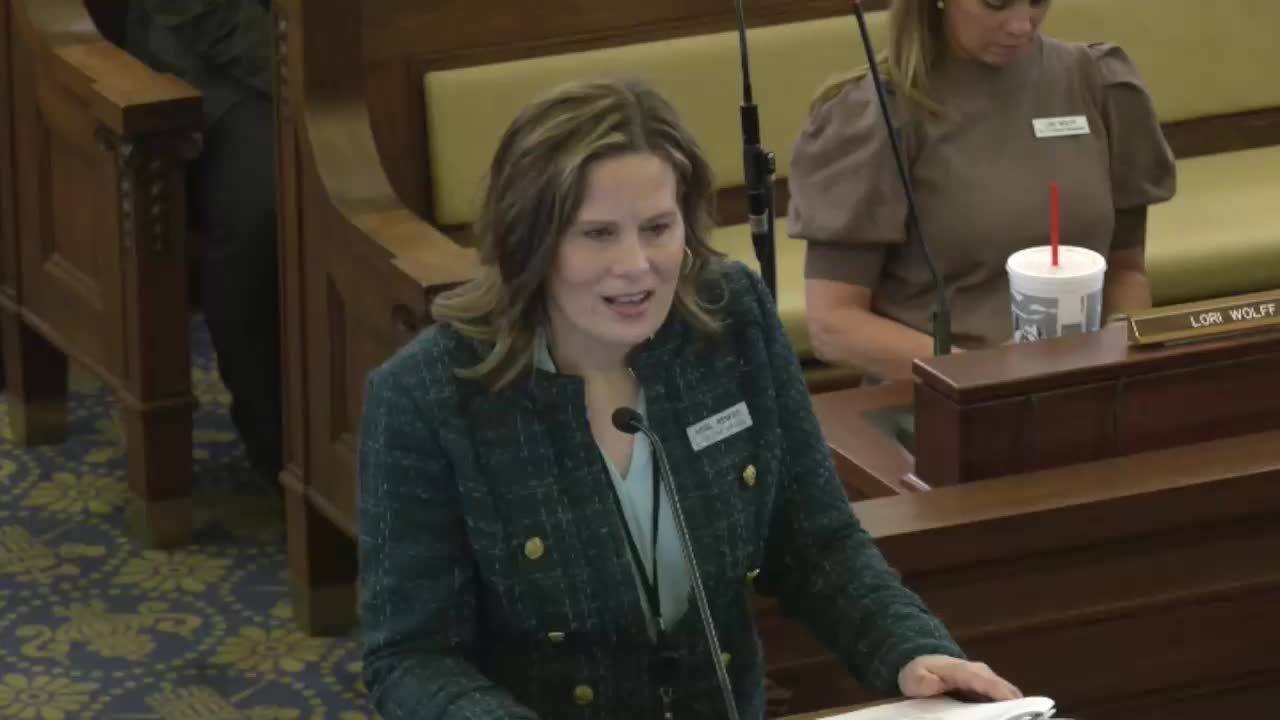
April Renfro of the Legislative Services Office told the Joint Finance and Appropriation Committee on Jan. 7 that most currently open findings are from the most recent reporting period, that some high‑risk findings remain uncorrected, and that statewide financial audits are delayed after the state controller’s office submitted statements late.
April Renfro, the legislative auditor with the Legislative Services Office, told the Joint Finance and Appropriation Committee on Wednesday that her office is continuing to find internal‑control and compliance problems across state agencies and that most open findings come from the current reporting period.
Renfro told the committee the audit office is required by statute to audit the State’s Annual Comprehensive Financial Report and to issue follow‑up accountability work for state agencies. “We currently have 30 financial and IT auditor positions,” she said, and the office plans about 28 reports per year. By statute, she said, JFAC co‑chairs release audit reports under Idaho Code 67‑435 and the office’s scope is set in statute cited in testimony as “67‑702.”
The audit office publishes an annual “uncorrected findings” report for the Legislature; Renfro said this year the report covers the previous four reporting years and that about 70% of the uncorrected findings are from the current reporting period (meaning they have not yet had a follow‑up visit) while roughly 30% are older and remain unresolved. She said that, in her view, the four‑year sample is an improvement over prior years when the office tracked longer backlogs.
Renfro described three categories of findings the office issues: internal‑control weaknesses, noncompliance with statutes or federal requirements, and substantive financial errors. She said internal‑control weaknesses are common and can leave agencies exposed to undetected errors even when no incorrect transactions have yet been identified.
Renfro gave several agency examples to illustrate the nature and risk of current findings. For the Department of Fish and Game, the audit traced repeated problems with compliance with the state travel policy: missing or incomplete travel vouchers and missing receipts. Renfro said the department implemented some policies within 90 days after the audit but subsequent testing showed the fixes had not consistently worked, so the item was marked partially corrected and later uncorrected while the auditors continued follow‑up.
Renfro said the audit office also found a group of significant findings in the Department of Health and Welfare’s 2023 accountability work related to qualified residential treatment program placements (QRTPs). The office tested 19 QRTP placements and reported multiple documentation gaps: 10 of the 19 lacked a completed placement assessment; about 5% lacked required detail; 21% of the sample did not have a readily available court order; 5% of placements were not documented as made within 60 days of the start of placement; auditors found that 84% of sampled cases did not retain the court notice that identifies placement date and recommended level of care; and 42% of the tested cases lacked the required 30‑day case consultations. Renfro said those gaps are qualitatively significant because they concern youth in state care and affect whether placements and reviews meet federal and state timelines.
Renfro also described an internal‑control finding in the 2023 single‑audit related to the Low Income Home Energy Assistance Program (LIHEAP): review and approval of annual updates to the program’s benefit matrix were not documented, increasing the risk of undetected errors even though the audit did not identify specific mispayments.
The committee pressed Renfro on why some findings remain open for more than one year. She said causes include the periodic nature of some reporting (yearly or twice‑a‑year), complex fixes that require policy changes or legislation, or the need to pass changes through downstream recipients. The audit office uses a three‑step follow‑up for accountability reports: a ~90‑day visit, a first annual visit and, if needed, a second annual follow‑up. Findings are classified as corrected, partially corrected or uncorrected based on those procedures.
Renfro warned committee members that audit findings can affect budget decisions: “If they can’t correct them… it questions how much more we’re gonna give to them,” said Co‑Chair (auditor co‑chair speaking during introductions). The committee discussed enforcement options; one co‑chair recalled an instance where the Legislature withheld funding until an agency agreed to corrective action.
Renfro also told the committee that statewide financial reporting and the single audit are running behind schedule this year after the state controller’s office submitted financial statements very late. She said the controller’s office provided drafts to auditors on Dec. 30 — a day before the auditors were scheduled to submit work — and that the Legislative Services Office currently estimates completing the ACFR audit by March and expects the single audit will also be late. Renfro said her office is reaching out to the federal cognizant agency (HHS) to notify them of the delay and minimize federal‑grant reporting risk.
The committee did not take formal action on the audit presentation but co‑chairs urged members to review the audit office’s uncorrected findings report and to consider findings during line‑item budget work.
Ending: Renfro said the uncorrected findings report would be distributed to committee members the same day and stood for questions. Committee leaders repeatedly thanked the audit staff for the work and urged legislative attention where findings persist.