Get Full Government Meeting Transcripts, Videos, & Alerts Forever!
Get email alerts on the Legislative Authority topic
No spam. Unsubscribe anytime.
Legislative counsel explains the Idaho legislature's appropriation powers and constitutional limits
Summary
Elizabeth Bowen, legislative legal counsel, told JFAC members the legislature holds plenary appropriation power under the Idaho Constitution but must follow constitutional limits and statutory procedures, including the balanced-budget requirement and item-veto rules.
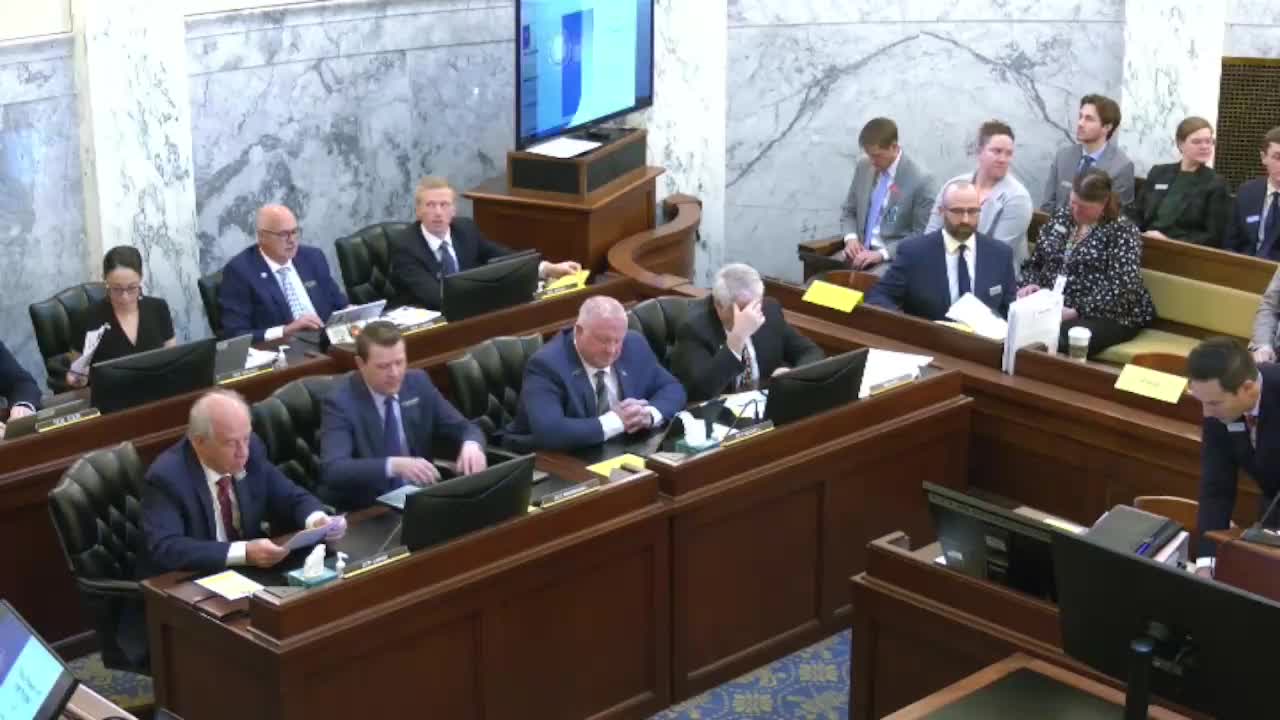
Elizabeth Bowen, legislative legal counsel at the Legislative Services Office, presented a statutory and constitutional primer to the Joint Finance-Appropriations Committee on the legislature's authority to appropriate public funds and the legal limits on that authority.
Bowen traced the authority for appropriation to the state constitution and to historic sources, and she emphasized that the legislature's appropriation act is a statute of equal standing to other laws. She told the committee that Idaho's Constitution places limits on appropriation powers, including the balanced-budget requirement and restrictions on religious appropriations.
The nut graf: Bowen said the legislature's "power of the purse" is plenary within constitutional limits; appropriation bills must meet constitutional requirements (single subject and enacting clause), may include conditions and restrictions on use of funds, and are subject to the governor's item veto only on dollar amounts.
Key points: Bowen described statutory chapters and code sections relevant to the committee's work (Title 67 chapters covering JFAC authority, budget process, and the Appropriations Act). She summarized JFAC-specific statutory duties: review of executive budget requests, authority to create subcommittees and interim meetings, and the ability to subpoena in discharge of duties if necessary. Bowen explained appropriation mechanics: appropriations are set by account category (personnel, operating, capital outlay, trustee/benefit payments) and generally cannot be transferred between categories without legislative approval (transfers over 10% require committee or legislative action). She also noted the board of examiners and executive authorities for certain midyear adjustments while reiterating that only the legislature may reauthorize a base appropriation.
On conditions and the veto power Bowen cited case law (Santa Rosa v. Andress) to explain that conditions on appropriations must be observed and cannot simply be removed by an item veto. She told members that a condition attached to an appropriation is legally binding and that changes to spending authority outside statutory exceptions require legislative action.
Ending: Bowen closed by identifying key statutory references for members (Idaho Code chapters 4, 35, and 36 of Title 67 and specific JFAC statutes) and answered committee questions about interim options when agencies face shortfalls.