Get Full Government Meeting Transcripts, Videos, & Alerts Forever!
Get email alerts on the Pension System Funding Persi topic
No spam. Unsubscribe anytime.
PERSI reports 87% funded ratio, plans for pension software upgrade and staffing investments
Summary
The Public Employee Retirement System of Idaho told the Joint Finance‑Appropriations Committee it is about 87% funded, reported a two-year recovery with roughly a 9% return last year, and requested continued funding for a multi‑year pension‑software upgrade and staffing to support member services.
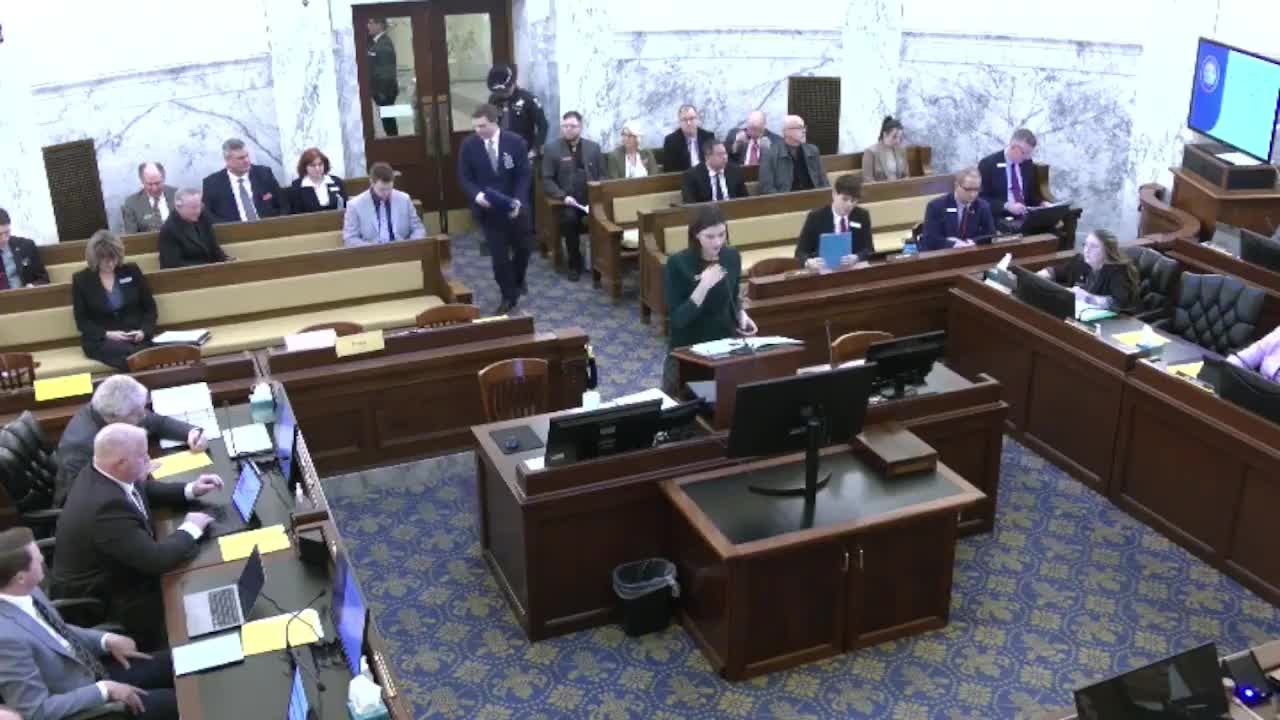
Frances Lippert, a budget and policy analyst with the Legislative Services Office, presented the Public Employee Retirement System of Idaho’s (PERSI) budget overview and the system’s FY2026 requests to the committee.
Lippert said PERSI administers defined benefit and defined contribution plans, the unused sick leave fund, and is governed by a five‑member retirement board appointed by the governor. The agency is authorized 81 full‑time positions across offices in Boise, Pocatello and Coeur d’Alene and generally fills about 89% of those positions. The portfolio investment program is funded by the special portfolio fund; pension payments are continuously appropriated and in recent years have ranged from about $243.9 million to $282.6 million annually.
Lippert and Director Mike Hampton reviewed recent appropriation history. PERSI had a $3 million one‑time appropriation to upgrade its pension system in FY2023; Lippert said the total multi‑year software project will cost about $12 million over five fiscal years. In FY2024 PERSI expended about $11.4 million from appropriated funds for administration; personnel comprised about 56.6% of that spending. The agency reported a 10% vacancy rate and 24.6% turnover in FY2024.
Director Mike Hampton described the fund’s recent investment performance and funded status. “In the last year we had about a 9% return. We’ve ended the fund year a little over $22 billion,” Hampton said, and noted the fund covers about 185,000 members. He told the committee PERSI’s funded ratio at the end of the last fiscal year was about 87% and the amortization period is about 10.7 years — both measures the board monitors when recommending cost‑of‑living adjustments (COLA) and other benefit or contribution changes.
Committee members asked about COLA mechanics and the board’s decision‑making. Hampton explained that the statutory post‑retirement allowance adjustment (COLA) has an automatic 1% as long as CPI‑U exceeds that amount; the board recommended an additional 0.3% retroactive adjustment back to 2020, which would total 1.3% if the legislature approves it. Hampton said the board weighs the fund’s long‑term sustainability before recommending adjustments: “The Board goes through and makes the decision on when it is…prudent to do so that it does not impact the long term sustainability of the fund,” he said.
Lawmakers asked about administrative expenses and investment management fees. Hampton said investment management fees and manager payments are paid from continuously appropriated funds and do not flow through the administrative appropriation presented to the committee; the appropriation shown covers personnel, operating costs and software.
PERSI’s FY2026 requests included two ongoing enhancements totaling $277,100 (including travel budget for board members and a requested 5% inflationary increase originally included in the request but not recommended by the governor) and one‑time requests including $3 million for year four of the pension software upgrade, office furniture and $628,500 in IT hardware recommended by OITS.
Hampton emphasized Idaho’s relative standing on funding: “How Idaho compares is…we are extremely well funded compared to the majority of systems in the United States,” he said, and summarized the agency’s workload: more than 66,000 phone calls handled, more than 44,000 workflows completed, and more than 37,000 people registered for the new member portal launched in January.
Ending: The committee did not take formal action at the hearing; staff and trustees remained available to answer follow‑up questions and the analyst referenced LBB pages for detailed appropriation tables.