Get Full Government Meeting Transcripts, Videos, & Alerts Forever!
Get email alerts on the Public Access Protests topic
No spam. Unsubscribe anytime.
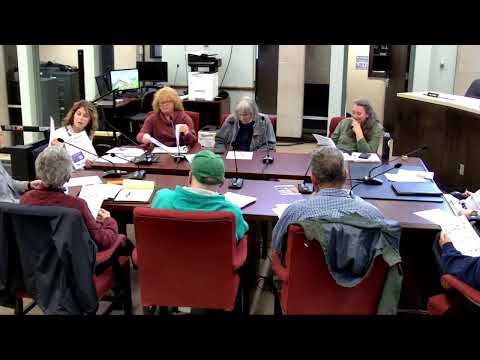
EAC discusses Shell Insight conference protests and public‑access questions at convention center
Summary
Members asked the council to request mayoral and state officials decline speaking invitations from the Shell Insight Conference and sought clarity on public sidewalk access around the Erie Convention Center after protesters were restricted last year.
Council members and community speakers asked the Environmental Advisory Council to support two actions related to the Shell Insight conference, a Marcellus Shale Coalition event scheduled for mid‑September: 1) urge the mayor and state representatives to decline invitations to speak at the conference, and 2) seek clarification about the public’s right to stand on sidewalks around the Erie Convention Center during privately organized events.
An attendee who identified herself as a longtime organizer said protesters were previously told they did not have access to the sidewalk around the convention center during the conference and that police and private guards prevented them from standing near the building entrance. “We were told that we did not have access to the sidewalk around the convention center,” she said, describing officers and security discouraging protesters from congregating outside the doors.
Members discussed ownership and access. One speaker read language from the city zoning ordinance (identified in the meeting as section 306) stating that properties abutting the waterfront must provide a 15‑foot public access walkway along the waterfront. Council members noted that the convention center property is controlled by the Erie Convention Center Authority, which they described as a state‑related entity financed in part by the county, and that clarification of the exact public‑access boundaries would require checking zoning maps and deeds.
Council members suggested practical steps: advising demonstrators to seek a permit for sidewalk use as a paper record of permission; having EAC members draft a letter or resolution for the mayor’s office; and requesting zoning staff identify the precise public‑access corridor where protests may legally occur. One council member volunteered to draft language for the council’s consideration and said she would bring it to the next meeting.
The council did not adopt a formal position at the meeting; members asked staff to research property ownership, the location of the 15‑foot public access area, and permitting practices for demonstrations so the EAC could consider a written request to the mayor’s office and relevant officials.