Get Full Government Meeting Transcripts, Videos, & Alerts Forever!
Get email alerts on the Neighborhood Improvement Districts topic
No spam. Unsubscribe anytime.
Tulsa Council OKs annual assessment rule for Kendall Whittier Improvement District after mixed public testimony
Summary
After a public hearing with supporters and critics, the Tulsa City Council approved an ordinance adopting the annual assessment rule for the Kendall Whittier Improvement District No. 1. Testimony praised recent beautification and security work while residents raised concerns about board composition, meeting notices and missing minutes.
The Tulsa City Council approved an ordinance adopting the annual assessment rule for Kendall Whittier Improvement District No. 1 following a public hearing that drew both supporters and critics.
Supporters said the district has momentum on beautification, graffiti abatement and small security grants. Maria Barnes, who said she serves on the Kendall Whittier Main Street board, told the council, “I’m here to speak in favor of this. ... we have a lot of momentum going with our Main Street and improvement with some funds that we’re working on for beautification.” Jamie Barnes, vice president of the Kendall Whittier Improvement Board, said the board “has done the legwork that gets us to this point” and urged councilors to “support us in our renewal.”
The district’s president, Derek Mordhorst, described specific projects and spending: he said the board has funded security upgrades for small businesses, “about 4 to $6,000 worth of approved expenditures,” contracts for lighting and electrical upgrades, graffiti abatement through matched paint and clear coat treatments, a regular cleanup person who walks the district several times a week, and plans to commission murals to deter tagging.
Opponents and some residents said the board lacks resident representation and has inconsistent meeting practices. Smitty Jones, identifying as an organizer for the Kendall Whittier Residents Association, said residents have been “relegated to a public comment section during board meetings” and alleged the board has not held regular meetings: “The May meeting was canceled without notice,” she said, adding that, in 2024 and 2022, many scheduled meetings were canceled because of a lack of quorum. Jones also said she pressed city planning staff about months of missing minutes and that “there are still 2 months of minutes missing that are from over a year ago,” raising concerns about compliance with open meetings and records rules.
Property owner John Musselman described investing in a vacant building in the district and said assessments have supported maintenance and improvements such as lighting and parking-lot upkeep: “Everybody gives a little and we all get a lot,” he said, and expressed support for the district’s work.
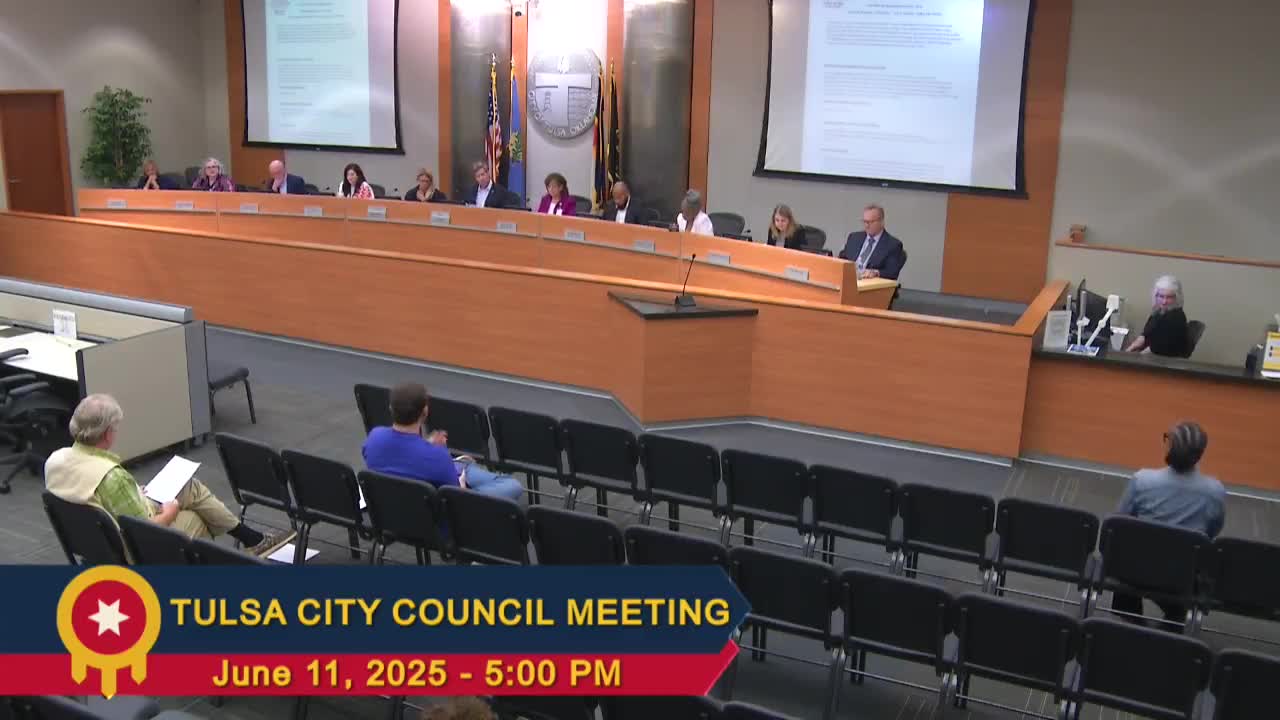
The council first opened the item as a public hearing and then later considered it among a package of ordinances on second reading. At the roll call for the council motions approving the grouped ordinances, councilors voted in favor of forwarding and adopting the measure. The ordinance was adopted as part of the group of items acted on during the meeting.
What the assessment pays for and who is assessed: witnesses and the district president described the assessment as a property assessment on property owners within the improvement district; Mordhorst noted that property owners, not residents, are the assessed parties and that some businesses located near but outside district boundaries had sought grants and been turned away because they are not in the assessment area.
Council-level action: the council entered a public hearing on the proposed assessment rule, heard five speakers, and later approved the ordinance as part of the set of items taken up on second reading. The council’s roll-call approval for the package that included the Kendall Whittier assessment recorded affirmative votes from the councilors present (recorded names during roll calls included Councilor Doctor Wright, Councilor Phil Lakin, Councilor Bush, Councilor Hall Harper, Councilor Archie, Councilor Dutton, Councilor Bellas, Councilor Gilbert, Councilor Bangor and Councilor Bridal). The ordinance did not list a specific ordinance number or a separate vote tally in the transcript.
Why it matters: the assessment funds beautification, lighting and security work described by the district. Opponents’ concerns — gaps in minutes, cancelled meetings, perceived lack of resident representation and unclear communication with nearby businesses — speak to transparency and governance issues that affect public trust in how assessment dollars are spent.
Going forward: district leaders said they plan to continue grant programs for business security, pursue murals to deter graffiti and conserve limited funds across a two-year horizon. Opponents asked the council and city planning staff to ensure missing minutes and meeting notice practices are addressed.