Get Full Government Meeting Transcripts, Videos, & Alerts Forever!
Get email alerts on the Health Finance topic
No spam. Unsubscribe anytime.
House clears health and policy finance bill with hospital, mental‑health and pharmacy provisions
Summary
The Minnesota House passed House File 2, a Department of Health finance and policy omnibus, advancing hospital stability measures (a directed payment program), higher MA rates for behavioral health providers, pharmacy reimbursement changes and a state PBM model. Lawmakers described it as a major multi‑year package of reforms and funding draws.
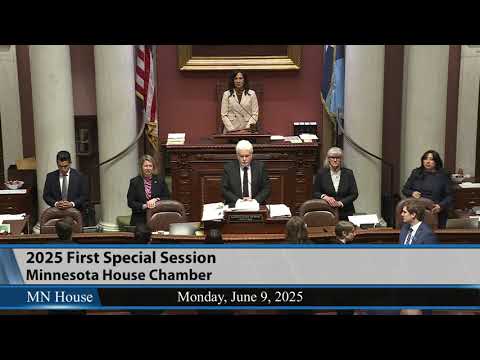
The Minnesota House passed House File 2, an omnibus Department of Health finance and policy bill, after floor action that suspended rules to allow immediate consideration. The bill includes a suite of spending and policy changes designed to shore up hospitals, expand access to behavioral‑health services and stabilize pharmacies across the state.
Co‑chairs described several major elements: a directed payment program to draw down federal matching funds for hospitals, rate increases tied to Medicare for many behavioral health services, a state‑level pharmacy benefit manager structure for Medicaid populations and increased reimbursements for pharmacies and outpatient providers.
Representative Biermann, who explained the bill on the floor, said hospital stability will be achieved through a direct payment program that could pull down as much as $960 million in federal revenue; he said hospitals would front the money that would be matched by federal funds, and that the design was intended to avoid general‑fund impact. The bill also raises MA rates for outpatient providers and behavioral health services and provides targeted support for federally qualified health centers; sponsors called the package the most forward movement on mental‑health funding in several years.
Representative Backer highlighted EMS provisions, ambulance grants and operating deficit protections, while Representative Bonner secured an increase in pharmacy dispensing fees intended to stem losses at independent pharmacies. The bill also extends certain telehealth flexibilities (including audio‑only telehealth), adds licensing paths for foreign‑trained physicians and contains multiple smaller scope and workforce provisions (midwifery licensing, birth center coverage, optometry scope adjustments).
Advocates and committee members praised parts of the bill while acknowledging remaining work. Supporters argued the measures would immediately shore up revenue and capacity throughout the provider system; some critics said provisions fell short of comprehensive reform, particularly for primary‑care rate adequacy, and urged continued legislative attention.
When the roll was called on final passage, the clerk recorded 73 ayes and 58 nays; the bill passed and the title was agreed to.
Sponsors said some programs in the package will require follow‑up implementation and oversight, including tracking whether the PBM and directed‑payment designs achieve system‑wide savings without unintended consequences.