Get Full Government Meeting Transcripts, Videos, & Alerts Forever!
Get email alerts on the Immigration And Health topic
No spam. Unsubscribe anytime.
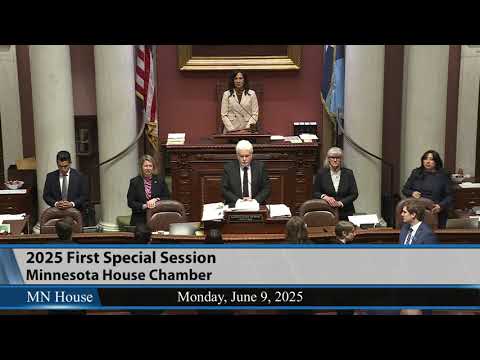
Minnesota House approves repeal of MinnesotaCare eligibility for undocumented adults after heated debate
Summary
The Minnesota House passed House File 1, which removes eligibility for MinnesotaCare for most undocumented adults, after hours of debate and a failed amendment to spare some groups. The vote was 68–65. Supporters cited cost and program sustainability; opponents warned of human and fiscal harms to hospitals, rural care and affected families.
The Minnesota House on a 68–65 vote approved House File 1, a bill that would end MinnesotaCare enrollment for most undocumented adults and bar new enrollments, setting the change to take effect through the program's application rules and timelines.
Supporters said the move is needed to preserve the Health Care Access Fund and prevent a projected budget shortfall, while opponents called the repeal cruel and warned it will increase uncompensated hospital care and harm immigrant families.
The bill was offered for final consideration after a procedural motion to suspend the rules. Representative Niska moved the motion to place the bill on final passage; Representative Backer, the bill’s author, explained that the measure would limit MinnesotaCare coverage for undocumented noncitizens and asserted it was necessary to preserve the program for lawful Minnesotans. Backer said the Health Care Access Fund and program growth were unsustainable and pointed to actions in other states as precedent.
An amendment (coded A3) from a Hennepin County member, referred to repeatedly in debate as authored by Representative Sensory Murrah, sought three carve-outs to preserve coverage for certain elders, children aging out of eligibility and people with listed high‑cost conditions. Supporters of the amendment spoke at length about the human impacts — describing elders, children with chronic illness and essential workers who rely on MinnesotaCare — and urged compassion and targeted retention of coverage. The amendment drew a roll call; the clerk recorded 64 ayes and 67 nays, and it failed to pass.
Debate spanned testimony from lawmakers who had personal or constituent stories about the consequences of losing coverage: members argued that immigrants contribute substantial tax revenue (speakers cited an estimate of $220 million in state and local taxes) and that denying coverage would increase uncompensated emergency care and threaten rural hospitals. Supporters repeated fiscal projections asserting the program’s rapid enrollment growth was not sustainable, telling colleagues the Health Care Access Fund faced deficits if the current trend continued.
Representative Backer and other proponents told the House undocumented enrollees receive no federal match and that enrolling large numbers would require future tax or program changes. Opponents — including members from both urban and rural districts — warned that removing coverage would raise costs for hospitals and communities and would impose serious health risks on people with chronic conditions.
After debate closed and the roll was called on final passage, the clerk announced there being 68 ayes and 65 nays; the bill passed and the title was agreed to.
Votes at a glance: House File 1 — final passage: 68 ayes, 65 nays (bill passed). Amendment A3 (carve‑outs) — roll call: 64 ayes, 67 nays (failed).
The House's action sends the bill to the next step in the legislative process; backers framed it as protecting the long‑term solvency of MinnesotaCare, while opponents said the policy would shift costs to emergency care, risk hospital finances — especially in rural Minnesota — and produce harm to documented and undocumented families alike.