Get Full Government Meeting Transcripts, Videos, & Alerts Forever!
Get email alerts on the Environment Epa Laboratory topic
No spam. Unsubscribe anytime.
EPA researchers urge Duluth leaders to press agency to keep Great Lakes lab open
Summary
Four scientists and an AFGE union leader told the Duluth City Council the EPA's Office of Research and Development reorganization and potential layoffs threaten the Duluth research lab'its long-term datasets, regional monitoring and work on PFAS, harmful algal blooms and species protection.
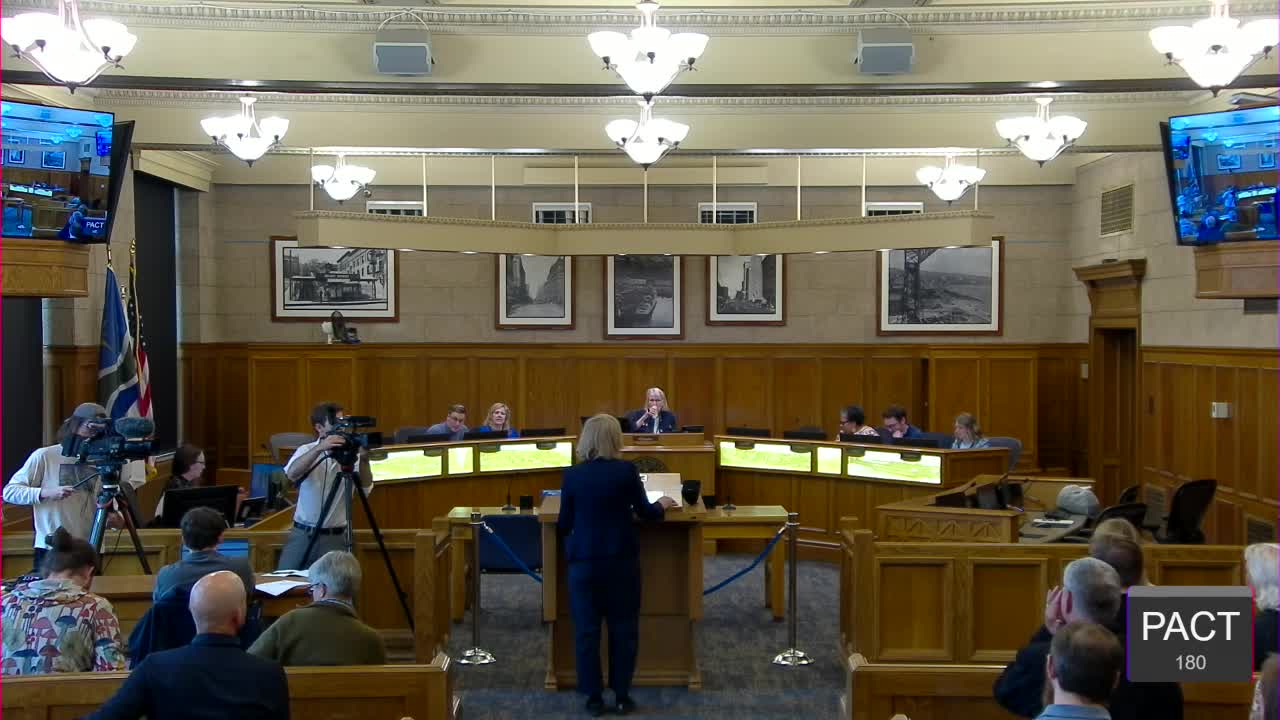
Nicole Cantelo, president of American Federation of Government Employees (AFGE) Local 704, and three scientists from the U.S. Environmental Protection Agency's (EPA) Duluth laboratory told the Duluth City Council on June 9 that a proposed reorganization and layoffs at EPA's Office of Research and Development (ORD) put the Duluth lab and its work for the Great Lakes at risk.
The speakers said the Duluth lab, formally part of EPA's ORD, provides long-term freshwater research, toxicology and ecological monitoring used nationally and internationally to assess contaminants such as PFAS, microplastics and endocrine disruptors.
"The Office of Research and Development is facing a devastating reorganization and dangerous layoffs," Cantelo said, adding that "1,500 ORD scientists have been forced into distressing decisions, offered deals to resign, or voluntarily retire amid threats of mass layoffs and the closure of EPA's research labs across the country." She asked the council to send the city's previously passed resolution supporting the Duluth lab to EPA Administrator Lee Zeldin and urged Duluth residents to contact federal representatives.
Dr. Carly Malone, who said she has spent 15 years working at the Duluth lab, told council members the lab's location on Lake Superior is central to its work on ecotoxicology and that the lab has developed internationally used toxicity tests and "new approach methods" that reduce animal use and speed regulatory decisions. "We are a world recognized leader in ecotoxicology," she said.
Tom Hollenhorst, identified as a landscape ecologist at the Duluth lab, described long-term monitoring efforts, including seasonal sampling from a research vessel and studies tied to the Saint Louis River Estuary, which he noted is designated an Area of Concern under the Great Lakes Water Quality Agreement. "We are in the middle of doing long term studies to assess the safety of consuming some of the fish from the Saint Louis River Estuary," Hollenhorst said, adding that those datasets are essential to measure restoration progress.
Dr. Alexander Cole said the Duluth lab provided early-career research opportunities that shaped his path into environmental science and later graduate work. "The lab is truly one of a kind," he said, describing mentoring, student collaborations, and community outreach that drew him back to Duluth as a scientist.
During a brief question-and-answer period, Hollenhorst said the future of the lab'including its research vessel, the Lake Explorer II'was "uncertain." Cantelo encouraged the council and community to contact EPA leadership and Representative Pete Stauber to express opposition to layoffs and lab closures.
Council members thanked the delegation and noted the council had passed a resolution earlier in the month supporting the Duluth lab. Several councilors urged community outreach to federal decision-makers.
Why it matters: speakers stressed that the Duluth lab'which counts long-term monitoring, ecotoxicology and PFAS research among its activities'provides data and methods used in regulatory decisions and local restoration work. The presenters said losing the lab would diminish regional and international scientific leadership and interrupt datasets used to assess water safety, fish consumption advisories and remedial progress in contaminated sites.
The presentation was public comment and did not trigger a formal council action during the meeting.