Get Full Government Meeting Transcripts, Videos, & Alerts Forever!
Get email alerts on the Breeders Fund Crisis topic
No spam. Unsubscribe anytime.
Breeders warn of steep drop in Minnesota foal crop; urge legislative and rule changes
Summary
Members of the Breeders Fund Advisory Committee told the Minnesota Racing Commission that the state's thoroughbred foal crop has fallen sharply in recent years, with 68 foals reported in 2025; committee members urged legislative outreach, funding ideas and rule changes to preserve Minnesota‑bred racing.
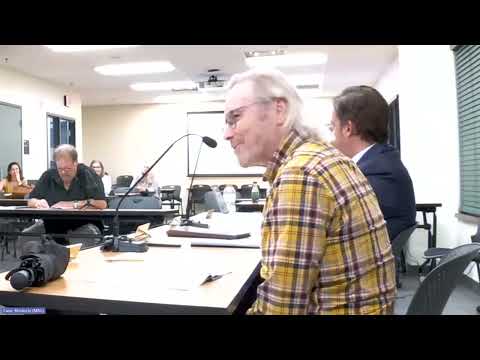
Richard Brammer, who identified himself as chair of the Breeders Fund Advisory Committee, told the Minnesota Racing Commission on June 16 that Minnesota’s thoroughbred breeding numbers have dropped sharply and that the state’s 2025 foal count was 68.
"That's 68 foals that are born in the year 2025," Richard Brammer said, adding that the committee believes the number is not sustainable for Minnesota‑bred stakes and festival races. He and other breeders urged the commission to support efforts to preserve state stakes programs and the incentives that encourage breeding and yearling sales.
Why it matters: Breeders said small state crops can result in very small fields for Minnesota‑restricted stakes races, which reduces opportunities to develop pedigrees, lowers owner and breeder incentives, and can harm handle and the racetrack’s business model.
Breeders proposed multiple responses. Ideas raised included creating residency or incentive structures modeled on other states (examples cited during discussion included Delaware and Kentucky), pursuing targeted tax or fee mechanisms that feed breeder development funds, preserving yearling sales and festival days, and forming a small working group to develop specific legislative proposals. "I would say we fell off the cliff and we're still falling," Richard Brammer said when asked about the trend.
Lisa Duerschmecker, identified as vice chair of the committee, described the practical business effects at her farm: fewer owners are willing to breed in Minnesota without reliable purses, incentives and a dependable yearling sale. She said many of her farm’s owners are from out‑of‑state and that those owners now find Minnesota harder to justify.
Commissioners and staff discussed next steps. The chair and commissioners encouraged breeders to meet with state Agriculture Commissioner Tom Peterson — a horse owner, several commissioners said — and to assemble specific proposals and comparative analysis of what other states have done. Commissioners said they are receptive to proposed rule changes to support Minnesota‑bred incentives but that funding mechanisms requiring new tax or fee authority would need legislative action.
No formal commission action was taken at the meeting. Breeders asked for and received support to convene a stakeholder meeting to develop concrete proposals for rules or legislation ahead of the next legislative session.