Get Full Government Meeting Transcripts, Videos, & Alerts Forever!
Get email alerts on the Regional Water Collaboration topic
No spam. Unsubscribe anytime.
Henrico and Hanover supervisors agree to pursue regional steps to shore up water supply and resiliency
Summary
At a June 11 joint meeting, Henrico and Hanover county officials reviewed water contracts, system capacity and planned projects, and directed staff to continue work on short‑term oversight and longer‑term transmission and supply options including a West–East conveyance, Cobbs Creek reservoir capacity and a Hanover study of a Pamunkey River plant.
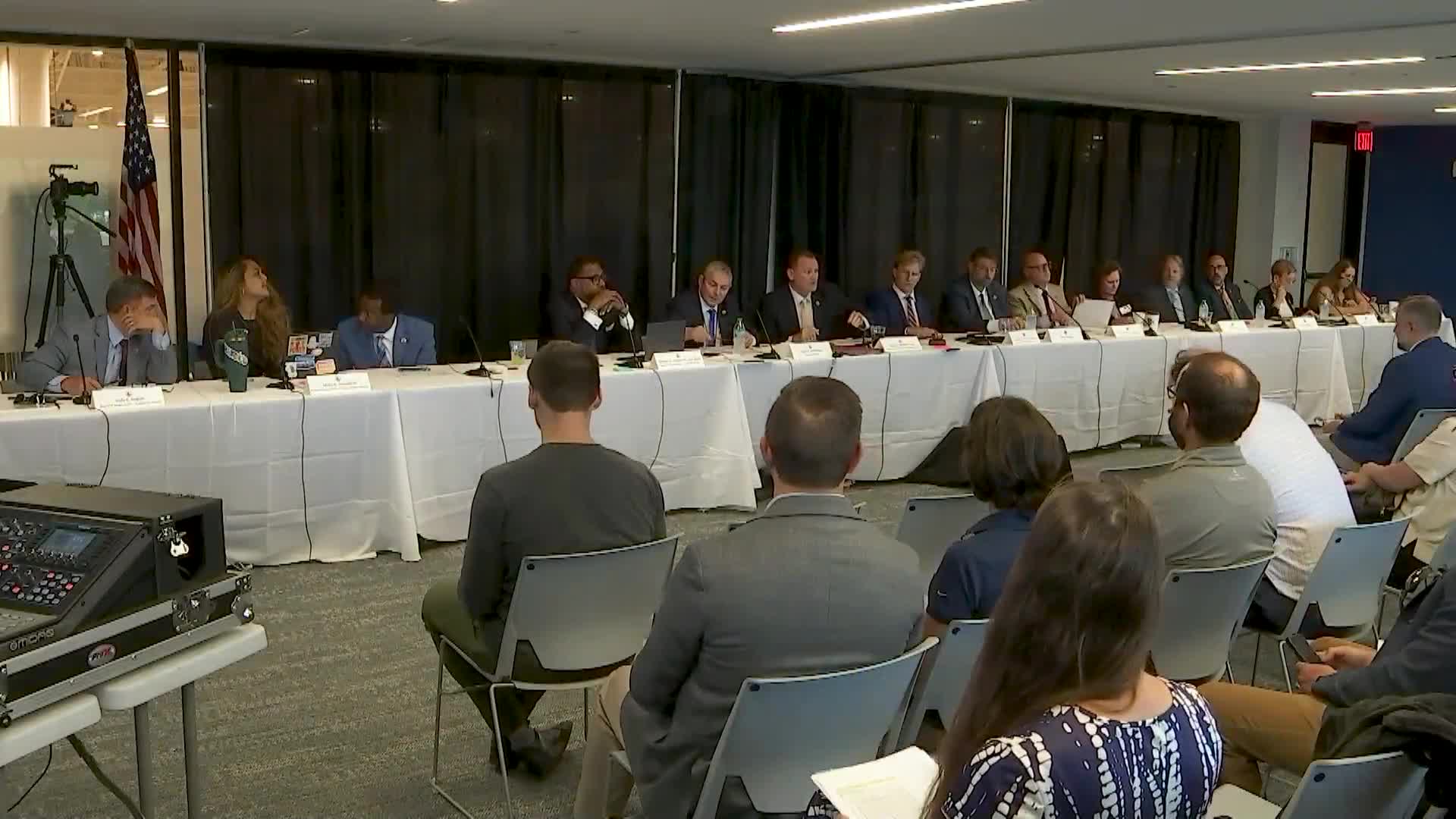
Henrico and Hanover county elected officials and staff met June 11 in a joint session to review regional water system performance since January and to direct next steps on short‑term oversight and longer‑term supply and transmission projects.
Presenters from both counties described current contracts, recent production and demand figures, and projects intended to add storage, redundancy and transmission capacity. Henrico and Hanover board members agreed the issues are urgent and asked staff to continue technical work and to bring implementation recommendations back to their boards before the end of the calendar year.
Why it matters: both counties rely on water treated at the City of Richmond plant and on interconnections among county systems. Repeated interruptions earlier in 2025 exposed vulnerabilities in supply, treatment and transmission that county leaders said could affect public health and economic activity if not addressed.
Presentations and facts
Hanover County Director of Public Utilities Matt Longshore summarized Hanover’s network, its two primary external contracts and recent usage. Hanover’s average daily production in 2024 was 8.8 million gallons per day (MGD) with a 2024 peak day of 14.4 MGD. Its most recent utility master plan projects average‑day demand of about 16.3 MGD and a max‑day of about 25.6 MGD by 2048. Longshore said those projections are a key reason the county is studying additional supply options.
Henrico Director of Public Utilities Bentley Chan described Henrico’s treatment and distribution system, including its 80 MGD raw‑water allocation from the James River and the county’s ability to increase finished‑water production on its site toward roughly 130 MGD with upgrades. Chan reported that Cobbs Creek Reservoir has reached substantial completion and will reach final completion this fall; the reservoir was described in the meeting as roughly 1,100 acres with storage discussed in the presentation as 15,000,000,000 gallons (as presented to the boards). He said Cobbs Creek increases Henrico’s raw‑water allocation by 30 MGD for the county plus an additional 17 MGD that the county could use for partners, for a total of about 47 MGD of additional permitted intake referenced during the presentation.
Transmission and resilience projects
Henrico staff outlined the West–East Water Network, a planned transmission project of about 70,000 linear feet (roughly 13.2 miles) intended to move water from the county’s western production toward eastern service areas. The network was described in staff remarks as designed to eventually move more than 20 MGD from west to east; Henrico staff estimated planning and staged construction could span about 5–7 years and gave a preliminary cost estimate of roughly $350 million, with pieces expected to be put into service sooner than full build‑out.
Hanover staff described a water‑resilience study under way with Dewberry and Arcadis to evaluate a potential treatment plant on the Pamunkey River, a companion reservoir, intake siting and permitting timeframes, safe‑yield analyses and likely transmission infrastructure to interconnect with nearby systems. That study is intended to produce phased options and high‑level cost estimates for board consideration.
Regional contracts and regulatory context
Both counties reviewed the long‑standing service contracts that shape available capacity. Presenters noted Hanover secured bulk water rights from Richmond under a 1994 wholesale contract and maintains an older interconnection agreement with Henrico (originally executed in 1974 and subsequently amended). Henrico also has a 1994 contract with the City of Richmond that Henrico staff said remains in effect through 2040 (as described in the presentation) and defines the county’s allocations and obligations, including a routine cost allocation study and annual demand projections to the city.
Consultant perspective and options
Chris Pomeroy, a consultant retained to review regional collaboration options, summarized typical legal and operational models used elsewhere: mutual aid; water‑sale contracts; joint oversight commissions; wholesale or retail regional water authorities under Virginia law; and other hybrid arrangements. Pomeroy told the boards the legal tools to pursue a range of cooperative structures exist and that jurisdictions commonly choose options to match desired scope (temporary mutual aid versus a permanent authority with shared governance and financial arrangements).
Board discussion and direction
Elected officials from both counties described the January 2025 and subsequent events as demonstrating a need for faster, clearer regional action. Board members voiced support for two near‑term paths to run in parallel: (1) establishment of some form of regional oversight or commission to coordinate with the City of Richmond on the short‑term operation and performance of the regional water plant, and (2) accelerated work on transmission and supply projects (including the West–East Network and Hanover’s Pamunkey study) to reduce reliance on single points of failure.
Managers and staff from both counties were asked to continue technical cooperation with Richmond and to expand outreach to other regional partners (including Chesterfield County and the City of Richmond) so elected officials have options and cost estimates to consider. Meeting remarks from county managers indicated staff will return with implementation recommendations and timelines during upcoming budget and planning cycles and sought to present board‑level recommendations by the end of the calendar year.
What was not decided
The meeting produced no formal vote, ordinance or change of ownership; board members asked staff to continue study and negotiation. No final decision was made on whether to form a regional water authority, a commission with oversight authority, or another contractual model; speakers said the options should be evaluated and that different models are not mutually exclusive.
Next steps
Staff will continue technical coordination, finish the Hanover resilience study and Henrico facilities planning updates, and engage Richmond and other regional partners. County administrators indicated they will return to their boards with recommendations and proposed implementation timing for review before the end of the calendar year.
Ending
Board members from both counties emphasized the shared goal: reliable, redundant, safe drinking water for residents across jurisdictional lines and a regional approach that protects public health while balancing costs and governance.