
Settlement implementation, transfer portal and scholarship rules flagged as potential threat to smaller programs
Get AI-powered insights, summaries, and transcripts
Sign Up Free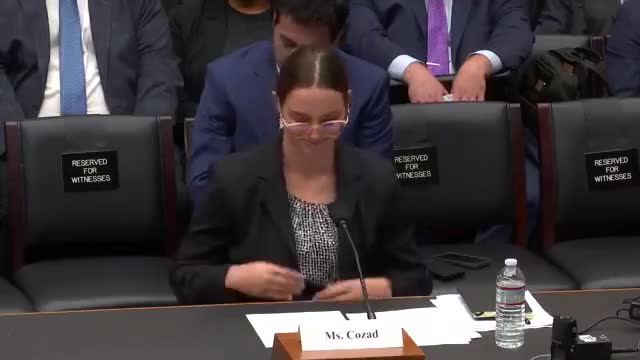
Summary
Witnesses and members debated how the House v. NCAA settlement and the SCORE Act would affect transfer rules, scholarship and roster limits, and the viability of nonrevenue sports; conference witnesses described mechanisms intended to preserve opportunities but members warned of uneven effects across schools.
A major focus of questions at the hearing concerned how settlement implementation and any federal legislation would affect transfer rules, scholarship limits and the future of nonrevenue sports.
William King of the Southeastern Conference told the subcommittee the settlement eliminates scholarship limits and replaces them with roster limits for each sport, and he described protections for athletes who might otherwise lose roster spots: designated statuses that do not count against roster caps for affected athletes. King said those changes can increase scholarship flexibility for some programs and allow conferences and institutions to implement revenue-sharing mechanisms and post-participation benefits.
Student-athlete witness Ashley Kozad and Big South Commissioner Sharika Montgomery both emphasized the risk that an employee model or heavy regulation that increased institutional costs could force smaller schools to cut nonrevenue and Olympic sports. Kozad said classifying athletes as employees “would be incredibly detrimental for the majority of student athletes.” Montgomery said many Big South programs “depend on institutional support” and praised the SCORE Act’s stated guarantees for scholarships and degree completion while urging attention to smaller institutions’ capacity.
Several members — including Representatives Nancy Mace and Lisa McClain — pressed witnesses about competitive imbalances created by varying state NIL laws and warned of a “race to the bottom.” Witnesses and members discussed the role of collectives and boosters; Ramogi Huma said the draft would limit booster-funded collectives and could reduce athlete compensation routed through those groups, while King said data reporting and a College Sports Commission (created under the settlement) are intended to review NIL agreements for fake NIL or pay-for-play concerns.
Committee members asked for additional information and raised requests for written follow-up on how revenue-sharing and data reporting would work in practice. No policy votes were taken during the hearing.