Get Full Government Meeting Transcripts, Videos, & Alerts Forever!
Get email alerts on the Transportation Tax Policy topic
No spam. Unsubscribe anytime.
Yamhill County commissioners approve letter opposing proposed ODOT transportation tax package
Summary
The board authorized a letter opposing a broad transportation revenue package being considered by the Oregon Legislature, citing large tax increases and local impact concerns.
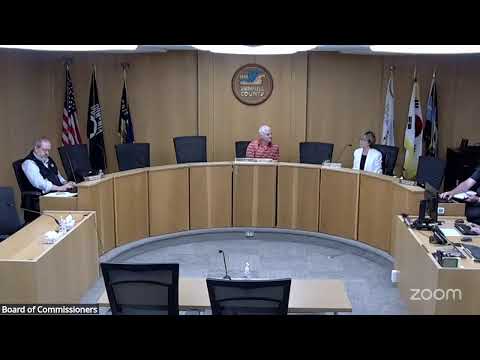
The Yamhill County Board of Commissioners voted June 12 to send a letter opposing the Oregon Department of Transportation’s proposed transportation tax package as presented in testimony on House Bill 2025.
Commissioner Starett introduced the request, citing testimony submitted on HB 2025 and saying the proposed package would impose multiple large increases on Oregonians. On the record, the board referenced the components described in testimony: a 37% increase in the gas tax indexed to inflation, a 300% increase in a transit payroll tax as described in testimony, a 62% increase in DMV fees, an increase in vehicle registration from $45 to $111, a license-plate fee rise from $12 to $33, a 2% transfer tax on new cars, a proposed tax on used cars, a vehicle-privilege or road-use tax, and a new charge for companies operating 10 or more delivery vehicles.
Starett said the combination of those measures would be “absolutely catastrophic for already strapped” household budgets and asked the board to approve submission of a letter opposing the package. Another commissioner on the record said they had offered public comment supporting targeted aspects of HB 2025 — specifically prioritizing the Newberg-Dundee bypass — but agreed that some funding mechanisms in the proposal were problematic and supported the letter.
The motion to submit the letter passed by voice vote. The chair recorded no further amendments; the board did not specify the exact language of the letter during the meeting. Commissioners noted there were additional hearings scheduled and encouraged public testimony online.
Ending: The board directed that a letter be submitted opposing the package as described in testimony; copy of the final letter and the text of HB 2025 were not read into the record during the session.