Get Full Government Meeting Transcripts, Videos, & Alerts Forever!
Get email alerts on the Waste Diversion topic
No spam. Unsubscribe anytime.
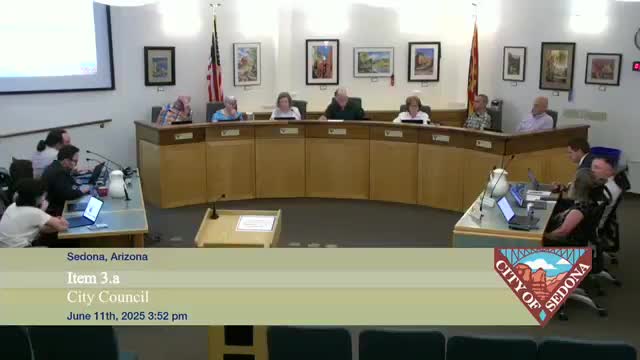
Sedona updates council on composting, waste collection events and city recycling pilots
Summary
Staff reported the community composting program diverted more than 11,000 pounds this year (30,000+ since launch), expanded household slots to 150 with 115 filled, and said spring/fall hazardous collection events continue to draw large turnout. The city is piloting in‑office mills and smart public bins.
City sustainability staff reviewed a suite of waste‑diversion initiatives including community composting, hazardous‑waste collection events, office composting pilots and new public recycling bins.
Sarah (sustainability staff) said the community composting program collected more than 11,000 pounds of food scraps this year (the month‑to‑date for the current month was not included in the tally) and a total of more than 30,000 pounds since the program began. Participation has grown from roughly 32 households to 115 registered households with 236 residents participating; staff expanded capacity from 50 to 150 household slots and reported about 35 slots still available. Compost Crowd is the hauler partner mentioned for household pickup operations; staff said Compost Crowd already provides household pickup in other contexts and the city’s current model is drop‑off with haul‑out by Compost Crowd.
Sarah described two annual waste collection events (spring and fall) that collect batteries, electronics and other household hazardous waste, plus added services such as paper shredding and medical waste drop‑off. The sixth annual household hazardous waste event recorded an increase in attendance; staff said spring event attendance reached about 275 people. Sarah said the city has collected more than 270,000 pounds of various collected waste items since 2019. For the spring event staff reported roughly 16,000 pounds collected (spring event total) and said hazardous waste totals for past years had sometimes been reported as 11,000+ pounds — staff clarified the numbers on the record during the meeting.
On municipal office composting pilots, staff described leasing Mill dehydration/grinding units for three city buildings (Community Development, City Manager’s building and Brewer Building). Staff reported collecting about 192 pounds of wet food waste to date from those units (pre‑dehydration weights) and said the units accept some meat and dairy streams that traditional composting will not accept. The city contracts Compost Crowd to pick up, clean and service the machines on a regular schedule.
For public spaces, staff described Big Belly smart waste and recycling receptacles installed at selected locations. From July to late May staff used them as proxies to estimate citywide volumes: the Big Belly recycling bins collected more than 8,000 pounds of recycling and their waste bins more than 16,000 pounds in the reporting window; staff estimated (using those proxies) that about 289,044 pounds of waste were collected across city receptacles during the period analyzed, representing an initial diversion percentage of about 2.8% compared with prior baseline.
Councilors and staff discussed program design options. Some council members asked whether household pickup rather than a single drop‑off would be preferable; John Thompson (a public commenter) said Compost Crowd would be willing to provide household pickup and suggested the city analyze a subsidy model to expand service. Staff said they had considered additional drop‑off locations if household slots fill and that they try to coordinate compost drop‑off with other errands to reduce incremental vehicle miles.
Staff said they will continue to expand household composting slots and plan fall collection events again this year. Vendors used for hazardous collection and electronics included Clean Harbors and Westech; staff said vendors are certified for hazardous materials handling and that the city monitors CRT collection and related per‑item charges to manage costs during events.