Get Full Government Meeting Transcripts, Videos, & Alerts Forever!
Get email alerts on the Business Improvement Districts topic
No spam. Unsubscribe anytime.
New Rochelle BID chairman outlines priorities: cleaning, grocery recruitment and downtown marketing
Summary
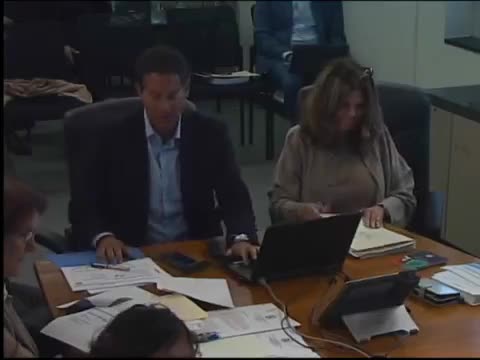
At the June 10 Committee of the Whole, Mark Jerome, chairman of the New Rochelle Business Improvement District, reviewed the BID's history, governance and near-term priorities including street-cleaning services, recruiting a grocery market, parking coordination and digital marketing to support downtown businesses.
Mark Jerome, chairman of the New Rochelle Business Improvement District and longtime president of Monroe University, told the City Council’s Committee of the Whole on June 10 that the BID’s work has focused on cleaning and streetscape improvements, business recruitment and supporting downtown quality of life.
The Business Improvement District, Jerome said, covers the downtown between Huguenot and Main streets and is funded by an assessment on property owners; its current annual assessment revenue is roughly $500,000, supplemented by a city subsidy tied to the former downtown manager position. Jerome said the BID budget is “fairly modest” and that spending is focused on visible services downtown.
The BID’s main functions and why it matters
Jerome traced the BID’s origins to a statutory BID established under New York state law three decades ago and described the organization’s role as a partner with city departments on public safety, sanitation and placemaking. He highlighted a longtime program, Clean Streets, that combines sidewalk cleaning, litter and snow removal and seasonal plantings; Jerome said that program’s contract historically employed a small local family-owned business and that Clean Streets accounts for a large portion of the BID budget (Jerome corrected an earlier figure in the meeting and said the Clean Streets program is about $360,000 annually).
Jerome described past BID initiatives, including a virtual-reality engagement work that helped the city win a Bloomberg Philanthropies mayoral challenge grant and events such as Jazz on the Green and Dine Downtown Week. He said some programs the BID started later were taken over and expanded by the city’s development team.
Board, governance and finances
Jerome said the BID has 13 board seats as required by statute, with a majority of property owners, two commercial tenants, one residential tenant and three public appointees (one appointed by the council, one by the city manager and one by the commissioner of finance). Jerome emphasized that board membership is voted by the BID’s membership classes rather than unilaterally appointed by the chair.
He explained the assessment model: an annual assessment appears on downtown property tax bills and funds downtown-specific services so the expense does not fall on the entire municipal tax base. Jerome said the BID tries to use volunteer resources (Monroe College provides meeting space and administrative support) so most revenue is deployed into services and an executive director position.
Near-term priorities and outreach
Jerome introduced Anne Gold, the BID’s new executive director, and said her initial work is focused on listening to property owners and small businesses. He listed immediate priorities the BID is working on with city staff: recruiting a full-service grocery/market to the downtown, easing parking and wayfinding concerns, strengthening digital promotion (newsletters, interactive maps and social media) and supporting arts and live-performance venues such as the Black Fox Theater.
Jerome said the BID has created a digital Google map for Dine Downtown with about 15 participating restaurants and plans a printed downtown wayfinding map by July. He said he has personally met prospective grocery operators, including a 5,000-square-foot natural foods store he saw on Long Island, and that the BID is actively pursuing grocery recruitment.
Council questions and BID responses
Council members asked about contracting processes (how local vendors bid for Clean Streets), board term limits, conflict-of-interest safeguards, and whether the BID’s assessment level is comparable to peer downtowns. Jerome said the BID follows statutory rules and legal advice, that major decisions are made by the BID board, and that the finance office previously managed BID bidding but staff and the BID prefer the BID run its own procurement going forward. He said the BID’s assessment total is smaller than nearby White Plains because White Plains has a much larger daytime office population and therefore more assessed value in its BID.
Jerome acknowledged concerns raised by some residents about service levels and invited council members to meet with the executive director and attend BID meetings. He offered to return to the council in 90–120 days with more concrete progress reports.
Ending
The presentation closed with council members and staff offering to work with the BID on bilingual outreach, MWBE opportunities, and social-media promotion. Jerome said the BID intends to be a cooperative partner with the city to “support the vision of the city and improve the downtown.”