Get Full Government Meeting Transcripts, Videos, & Alerts Forever!
Get email alerts on the Title25 Zoning topic
No spam. Unsubscribe anytime.
Planning commission delays major Title 25 zoning rewrite after public concerns about housing and ag impacts
Summary
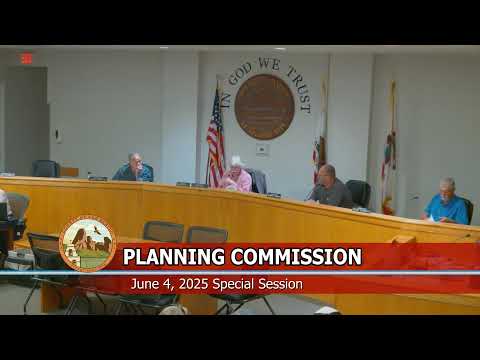
The San Benito County Planning Commission on June 4 delayed consideration of a comprehensive rewrite of Title 25, the county zoning code, asking staff to fix technical errors and to return with further stakeholder review in August.
The San Benito County Planning Commission on June 4 voted 4‑0 to continue consideration of a broad rewrite of Title 25 (the county zoning code) and asked staff to return in August with technical corrections and additional stakeholder review.
County staff presented extensive proposed changes to land‑use tables, development standards, accessory dwelling unit rules, thresholds for planning review and new standards for specific uses including commercial cannabis, sports shooting ranges, renewable energy battery storage and short‑term rentals. Staff told the commission that public noticing requirements would be expanded (from 300 to 1,000 feet) and that some permit thresholds were raised to reduce regulatory burden for smaller projects.
A range of public commenters urged changes or expressed opposition. Several real‑estate and development stakeholders said removing the R‑1 zoning designation and limiting single‑family development could depress project feasibility and complicate existing contract zones. Heidi Nelson Boyd, a local property manager, said she was concerned the proposed changes would discourage multifamily development and not help housing shortages. Community members urged more time for review of the RM (residential mixed) rules, a proposed 25% cap on single‑family units in mixed developments, and a new requirement that short developments include a small commercial component when sited within a half mile of major roads.
Staff described a number of specific changes in the draft: administrative thresholds for development plan review were raised (for example, a threshold that had been 2,500 square feet was increased to 5,000 square feet, and other thresholds were proposed at 10,000 square feet for major review), accessory dwelling unit rules were adjusted to allow up to two ADUs per lot and to increase the maximum gross floor area for some accessory buildings from 1,000 to 2,500 square feet, and noticing for certain actions would expand beyond the typical 300‑foot radius.
Several commenters also raised use‑specific concerns: beekeepers warned the proposed apiary text (considered in a separate but related Title 13 item) lacked stakeholder input; residents and builders asked for clearer ADU setback and septic/water guidance; shooting‑range operators and public‑safety speakers discussed detailed safety and surveillance requirements; and RV park operators queried whether state Housing and Community Development (HCD) permitting requirements apply to indoor and outdoor recreational vehicle parks.
Commissioners agreed the code included many needed updates but that several high‑impact items required more work. Commissioner Robert Scagliotti said the draft “has a lot of garbage in it that we don’t need” and asked for more refinement; Commissioner Robert Gibson urged staff to pursue a mandatory spay/neuter provision in the related animal ordinance (item 5.2) and to coordinate with beekeepers on the apiary language. The commission asked staff to correct a number of typographical and cross‑reference errors that staff said were inadvertent.
The Planning Commission approved a motion to continue Title 25 to the commission’s August meeting, to have staff correct the flagged errors and to form (or coordinate with) an ad hoc to consider the RM/R‑1 and neighborhood commercial questions before final action. The motion passed 4‑0.
Votes at a glance: The Planning Commission voted 4‑0 to continue the Title 25 zoning code amendments to August, directing staff to return with technical fixes and additional stakeholder input.
What’s next: Staff will implement technical edits, respond to the commission’s flagged issues (including ADU setbacks, venue thresholds, battery storage wording and surveillance requirements for indoor/outdoor shooting ranges), and return with a revised draft in August. The commission suggested appointing members to work with staff on the RM/R‑1 questions during the July recess.