Get Full Government Meeting Transcripts, Videos, & Alerts Forever!
Get email alerts on the Animal Ordinance topic
No spam. Unsubscribe anytime.
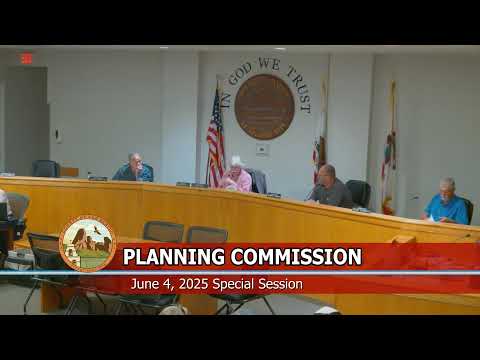
San Benito County planning commission pauses overhaul of animal ordinance after large public turnout
Summary
The Planning Commission voted 4-0 on June 4 to continue consideration of proposed updates to Title 13 (the county animal ordinance), directing staff to develop a mandatory spay/neuter provision, rework the apiary rules and return livestock setbacks and related ag provisions to the agricultural stakeholder group for further study.
The San Benito County Planning Commission on June 4 voted 4-0 to continue indefinitely proposed amendments to Title 13, the county’s animal ordinance, and recommended that the Board of Supervisors not proceed with the ordinance in its current form.
The commission’s action follows a staff presentation and more than two hours of public comment from growers, beekeepers, 4‑H leaders, veterinarians and residents who raised concerns about proposed livestock setbacks, grandfathering of existing operations, beekeeping standards and limits on household animals.
Victor Tafoya, Associate Planner, said staff drafted the update “to be clear, and clarify animal keeping rules, making them easy for everyone in our community to understand and follow.” He told the commission the draft draws on guidance from the U.S. Department of Agriculture and the University of California Cooperative Extension and includes new definitions (for example, defining “large livestock” as animals over 50 pounds), a 1,200‑foot setback from certain commercial crops that can be reduced to 400 feet with specified physical barriers, numerical limits for household pets and distinct rules for beekeeping and impoundment procedures.
Speakers at the hearing uniformly pressed staff for changes. Donald Burris, president of the San Benito County Farm Bureau and a member of the agricultural stakeholder group, said bluntly: “Farm Bureau is opposed to it,” arguing the 1,200‑foot setback would make agricultural lots unusable and urged the commission to table the item. Multiple growers and ranchers said the setback would remove usable acreage on small parcels; landowners cited potential declines in property value and the practical impossibility of meeting the setback on 5‑acre parcels.
Residents and nonprofit rescuers asked the county to add a mandatory spay/neuter provision for dogs and cats. Natalie Martin, who identified herself as operating a local nonprofit rescue, said: “This problem is so out of control,” describing what she called an unsustainable number of feral and unsterilized animals and urging an ordinance to reduce shelter kills and the burden on local rescues. Several 4‑H leaders and the interim director of UC Cooperative Extension’s local office warned proposed restrictions could limit youth access to project animals and 4‑H programming.
Beekeepers and at least one landowner told the commission about a prior county prosecution over hives and said the proposed apiary text was insufficiently informed by local beekeepers’ practice. Brett Johnson, a property owner who keeps hives on ag‑zoned land, told commissioners he had operated nine years without documented harm and criticized code enforcement’s prior action against his bees.
Ken Griffin, acting Agricultural Commissioner, said the ordinance “so far is flawed, but it’s not… it’s just getting started,” and warned the county could face litigation and county tax‑base impacts if rules effectively “take” private property without clearer analysis and stakeholder work.
After public comment and discussion, the commission made a motion to continue the item indefinitely and instructed staff to develop a mandatory spay/neuter section, rework the apiary (beekeeping) section with stakeholder input, and return the livestock setback and related agricultural provisions to the agricultural element stakeholder group for further work. A friendly amendment — that the commission also recommend the Board of Supervisors not proceed with the ordinance as currently drafted — was accepted and added to the motion. The motion passed 4‑0.
The continuation means the commission will not forward a recommendation of adoption to the Board of Supervisors at this time; staff will return with revised language after further stakeholder review and technical edits.
Votes at a glance: The Planning Commission voted 4‑0 to continue consideration of Title 13 and to recommend the Board of Supervisors not proceed with the draft as written.
What’s next: Staff will work with the agricultural stakeholder group, the Ag Commissioner’s office, local beekeepers and animal welfare organizations to revise the ordinance. The commission did not set a new date; staff said the item will return when stakeholders and staff have completed revisions.