
Dick’s Sporting Goods Foundation ends partnership; board urges talks as community pushes to retain services
Get AI-powered insights, summaries, and transcripts
Sign Up Free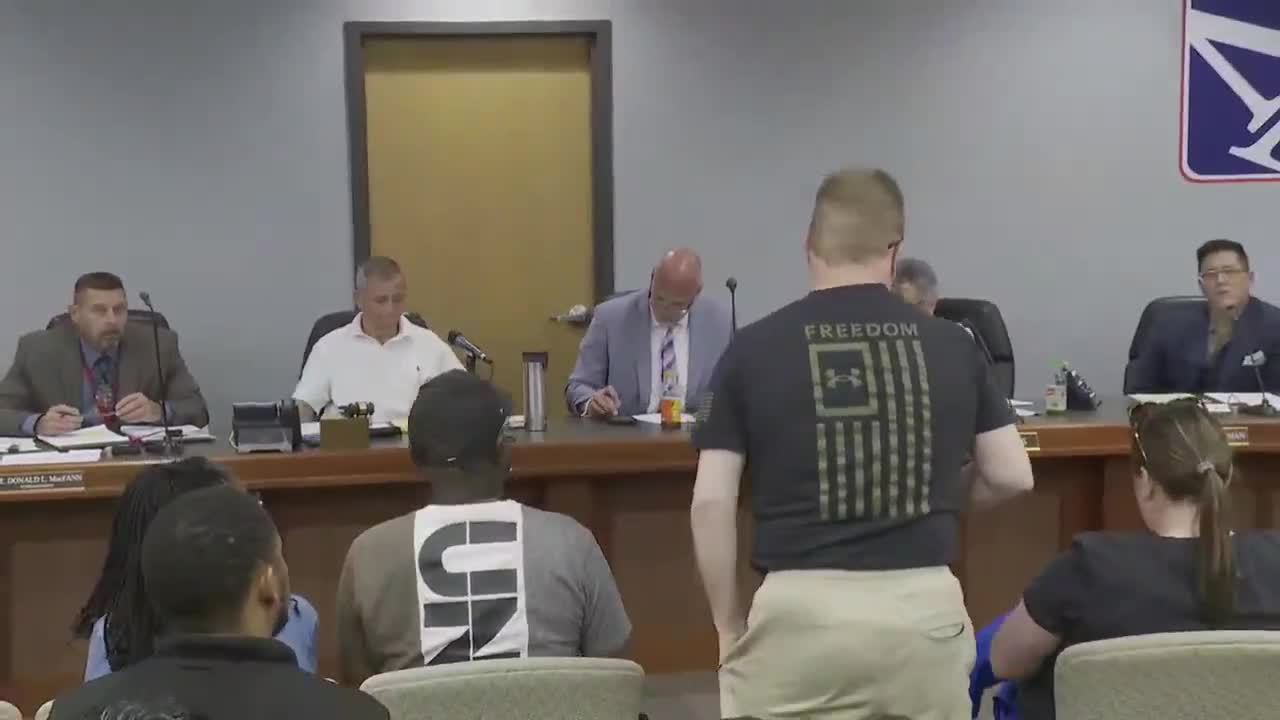
Summary
The McKeesport Area School District (MASD) board and community clashed Wednesday as the Dick’s Sporting Goods Foundation informed the district it would end its partnership, leaving in question services and programs that served students at Twin Rivers, Founders Hall and other sites.
The McKeesport Area School District (MASD) board and community clashed Wednesday as the Dick’s Sporting Goods Foundation informed the district it would end its partnership, leaving in question services and programs that served students at Twin Rivers, Founders Hall and other sites.
The dispute played out during a packed special meeting in the district boardroom after public commenters described immediate impacts on students, while board members said they had sought a negotiated resolution and were pursuing ways to retain staff and preserve services.
The change matters because the foundation supported on-site social services, clothing and other wraparound supports that district speakers said helped students’ attendance and basic needs. Community speakers said the foundation’s withdrawal removes programs that provided food, clothing, showers and student supports. Board members said their first priority is continuing student instruction while attempting to keep employees and services in place.
Community members spoke first. Student Zaida Carr, a seventh-grader at Founders Hall, told the board: “Please, like, please try to bring back Dicks because we need this, and this is important to all the kids who need this.” Former East End Academy student Brandy Cox told the board the program was like family: “When I stepped in that school for the first time, I was scared… I walked into school, and it was nothing like that.”
Community and school staff speakers described concrete services they said DICK’S provided: distribution of coats and clothing, computers, food, and in-school programs and staff who worked with students to reduce fights and support learning. Kim Robinson, who said she works at the McKeesport Family Center, urged the board to “try to reason with them” and keep the foundation engaged because, she said, it had benefited families.
Board members and district officials described a different timeline. The board said it had held multiple meetings and attempted outreach. According to the district’s account at the meeting, a foundation representative told district leaders on May 21 that the foundation was pausing or ending the formal partnership and would pivot toward grant-making rather than partnerships. The board said the foundation notified some foundation employees of the decision before informing the district leadership.
Board members said they had attempted to negotiate, had asked legal counsel to reach out and had offered to meet with foundation leadership. The board also said it reviewed the district’s memorandum of understanding and that, according to the district’s counsel and special counsel, the district had not breached the MOU.
Board members and administration repeatedly emphasized the district’s legal and procurement obligations. The board president read a district-created statement noting that, by state law, remodeling, name changes and other major facility changes must be approved by the school board and that the board should be copied on foundation correspondence. The district repeatedly said any improvements or construction by an outside partner must be presented to the board for approval and bidding where required.
District officials said their immediate priorities are: 1) try to preserve jobs for employees who worked under foundation-funded positions by moving them into district vacancies; 2) preserve services for students where possible; and 3) follow statutory procurement and bidding processes for facility work. Superintendent McFann (as referenced in meeting remarks) told the public the district was working to identify positions that matched the staff funded through the partnership and to maintain services while pursuing communications with the foundation.
Several speakers criticized the board’s communications choices and a district press release and letter that community members said were unclear or antagonistic. Hon. Cynthia Baldwin, who identified herself and reviewed state law at the meeting, said the board must be accountable to taxpayers and urged transparency while emphasizing the partnership’s goal was to improve educational opportunities. Baldwin urged the board and community to “put some salve on the bruised egos and get back to the basics of this partnership, improving the educational possibilities for our kids.”
Board members said they had invited foundation representatives to meet and that they had retained special counsel to attempt to reopen talks; the district reported counsel had sent a letter asking for a meeting but had not received a substantive response as of the meeting. The board characterized the foundation’s public statement — which included language about changing leadership before returning to the table — as a factor that deepened the impasse.
District officials and board members repeatedly said they do not want staff funded by the foundation to lose employment and are working to redeploy personnel into available district roles. The board said it had also been contacted by community organizations offering to help continue social-service work should the foundation remain unavailable.
The board did not adopt any formal policy changes at the meeting to compel the foundation to return, but members said they would continue outreach and leverage legal counsel and public officials’ assistance where appropriate. The board also said it would prioritize academics and staffing decisions for the coming school year while trying to maintain noninstructional services where possible.
The public debate at the meeting illustrated sharp divides in the community over how to balance accountability, procurement rules and the benefits of corporate partnerships. Several speakers asked for quicker, clearer communication from the district; several board members said the board’s obligations under state law require steps that take time, including formal bidding and board approval for capital work.
The district said it has prepared Right-to-Know requests and other documentation related to the partnership and would share information to the extent permitted by law and by private-party confidentiality provisions. The long-term outcome depended on whether the foundation would reopen discussions with district leadership.
For now, the board said it will continue outreach to the foundation, attempt to redeploy affected employees into district positions and work with community partners to sustain services for students while complying with state procurement and board-approval requirements.