Get Full Government Meeting Transcripts, Videos, & Alerts Forever!
Get email alerts on the Community Grants topic
No spam. Unsubscribe anytime.
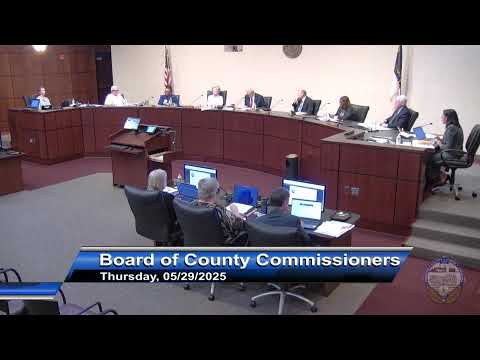
Forsyth County approves revised community grants list, funds capped and tied to 0.28¢ tax increase
Summary
After debate, the county approved a reduced list of community grants totaling $1,591,008.12 and authorized up to $1,849,200 as a cap; the board tied the appropriation to a 0.28¢ tax‑rate increase to cover the amounts, and later rejected a separate $225,000 Colladium add‑on in a tie vote.
Forsyth County commissioners voted to restore a portion of community grants that had been omitted from the county manager’s recommended budget, approving a revised grants list and authorizing a funding cap while reserving the board’s final allocation decisions for the budget adoption process.
Why it matters: the grants fund a range of social, senior, veterans, health and cultural services across Forsyth County; the board tied the restored funding to a 0.28¢ tax‑rate increase and set a cap on total community grants while emphasizing the funding is not guaranteed in future years.
The sequence of board actions began when Chairman Martin proposed restoring the full community‑grants amount that staff and the grants review committee had recommended. The board amended and authorized a cap of up to $1,849,200 for community grants (motion amended to explicitly authorize “up to $1,849,200”) and the motion passed on an initial vote 5 to 2. Commissioners emphasized that the cap was not an automatic guarantee for each grantee and reiterated language in the county’s budget ordinance that prior funding does not create an entitlement.
Following a recess and staff review, the board considered a revised grants list that removed several items and made small additions; county staff said the revised package represented “everything the Grama Committee recommended with a few exceptions” and described item‑level changes. The board approved the revised grants list totaling $1,591,008.12 by roll‑call (motion carried 4 to 3). The county manager was directed to include expenditures for that amount in the recommended budget, and commissioners preserved their right to make final selections during the formal budget vote.
Commissioners and staff discussed process and oversight. Staff noted they had sent updated communications to applicants in April clarifying that staff recommendations were not final and that the board would make the final decisions during the budget process. A county attorney or counselor reminded commissioners of the statute referenced in the meeting that restricts commissioners from discussing or voting on grant funding for nonprofits on whose board they serve; the staff suggested handling potential conflicts by first adopting a list of nonprofits with no conflicts and then considering amendments for conflicted items with the conflicted commissioner recused.
The board separately considered adding Colladium (a local science museum) to the list with a $225,000 appropriation to continue Title I school field‑trip programming and free admissions for low‑income visitors. Commissioner McDaniel moved to add the Colladium at $225,000; the motion was seconded but failed on a tie vote (recusal noted by the maker of the motion). The Colladium request had been in the community grant committee’s recommendations but was not included in the county manager’s original recommended budget.
Commissioners who opposed restoring the full prior grant level cited current county fiscal pressure, the unresolved school district shortfall and concerns about adding to the tax rate; commissioners who voted to restore funds emphasized immediate human impacts such as Meals on Wheels for seniors, veterans’ services and other programs that community organizations provide.
Ending: the board adopted a capped, revised grants package and directed staff to include the expenditures in the recommended budget; individual grant awards and any conflicted items will be finalized during the budget adoption process and may require recusals where commissioners have conflicts.