Get Full Government Meeting Transcripts, Videos, & Alerts Forever!
Get email alerts on the Policy Discrimination Title Ix topic
No spam. Unsubscribe anytime.
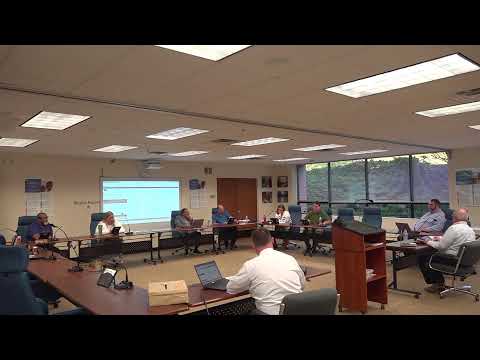
West Chester Area SD committee updates Title IX–related discrimination policies, removes local OCR contact
Summary
A committee of the West Chester Area School District approved revised student and staff discrimination/harassment policies and related administrative guidelines to align district procedures with current federal guidance; committee members also retired several 2024 Title IX–era administrative guidelines.
The West Chester Area School District’s policy committee on (date not specified) approved revisions to student and staff discrimination and harassment policies to align district procedures with current federal guidance and to consolidate complaint pathways.
The committee approved a rewritten Policy 103 (discrimination/harassment affecting students) and companion administrative guidelines, and approved a revised staff harassment policy (Policy 104 and AG 3). Committee members said the changes reflect that the 2024 Title IX regulations are no longer in effect and the district is returning, in many respects, to procedures that tracked earlier federal guidance.
The changes were presented by Dr. Christopher, who said the review sought to ensure the district’s policies “are aligned with current Title IX guidance” and to make sure discrimination that is not adjudicated under Title IX is still addressed elsewhere in district policy. Amanda, a district staff member who participated in policy drafting, added: “Now the 2024 regulations are void. And so now we're directed back to the 2021 [regulations].”
During public comment Judy Debanza, who identified herself at the podium, asked two questions including whether the public may use district tracks and raised a concern about language she found missing from revised policy 103: removed directions for filing a complaint with the Office for Civil Rights (OCR). Debanza told the committee she had noticed the local OCR office in Philadelphia has closed and that “it looks like it's actually the U.S. Department of Education that now deals with civil rights complaints” in education settings; she urged clearer reference to where unresolved complaints may be appealed.
Committee members described how the revised process is intended to operate: complaints initially go to the building principal, who notifies the Title IX coordinator; the Title IX coordinator then determines which “bucket” (Title IX vs. protected-class discrimination vs. bullying/other district policy) best fits the allegation and routes the matter accordingly. The committee emphasized that if a matter appears to involve criminal activity or child abuse, it will be stopped and referred immediately.
The committee voted to approve the revised Policy 103 and its related administrative guidelines and to retire a slate of Title-IX–era AG documents. The committee also approved the revised staff harassment policy and a new AG specific to Title IX procedures for staff. Committee members agreed to make titles consistent across related AGs to clarify whether a guideline applies to staff or students.
Committee members did not indicate any change in the district’s intent to protect students or staff from discrimination; Dr. Christopher said the revisions are “not taking protections away from any group.” The committee moved the package forward with recorded approval at the committee level; several additional policies and AGs were listed by staff as informational items or scheduled for second reading at the full board meeting.
The committee noted that appeals of a Title IX–determination are available under district procedures, and that the legal references at the end of each policy point to federal and state legal sources. Staff said the district’s intention is to have a single intake path so complainants do not need to decide at filing which legal route applies.
The committee adjourned the policy review segment after approving the revisions and scheduling remaining documents for second reading or further review.