Get Full Government Meeting Transcripts, Videos, & Alerts Forever!
Get email alerts on the Pensions topic
No spam. Unsubscribe anytime.
Actuary: Columbus pension plans in improved position; city required contribution shifts slightly for FY26
Summary
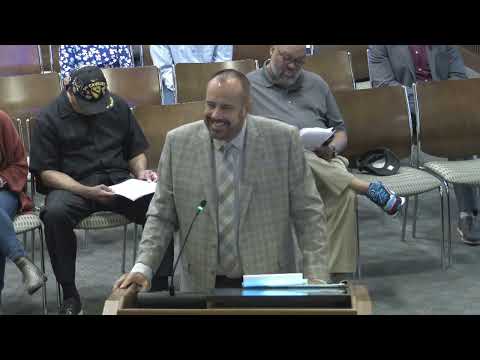
Actuary Chuck Carr told Columbus City Council on May 27 that the city’s required pension contributions for fiscal 2026 will be about $12.25 million for public safety and nearly $7.67 million for the general employee plan, and reviewed long‑term investment performance and funding mechanics.
The city’s actuary, Chuck Carr, presented a high‑level valuation update for the city’s two pension plans at the May 27 council meeting and outlined the contribution requirements for fiscal 2026.
Carr said the July 1, 2024 actuarial valuations determine contribution requirements for FY26. He reported the combined required contribution for the public safety plan for FY26 at about $12,250,000, of which roughly $12,190,000 is expected to come from the city (small shares come from the airport and other entities). For the general employee plan Carr reported a total required contribution of just under $7,670,000 for FY26, with the city’s share around $5,300,000 (the rest coming from the airport, Water Works and Muskogee Manor/hospital authority).
Carr reviewed 10‑year investment performance, reporting a 10‑year average annual return of 6.92% for the period ending June 30, 2024, and highlighting recent year‑to‑year volatility that reduced averages. He said the plan’s 10‑year returns include a negative period and a strong recovery year; over the most recent four years the plan has had several double‑digit return years and one negative year that lowered the long‑term average.
During questions, councilors discussed contribution rates for newer employees (an 8% employee contribution rate for post‑reform hires), the mechanics of how contributions flow through payroll and finance into the trust, and options for potential plan changes such as reducing employee contribution rates (which would shift costs to the city and other contributing entities). Carr said younger employees often “pay in” more than the pension benefit they are expected to receive and that the 8% rate is higher than many comparable plans; he said the actuarial office and pension board could model alternatives and report back.
Finance Director Angelica Alexander added operational details about the pension bank account, periodic drawdowns from the investment account to meet cash needs, and the board‑approved drawdown authority (she noted a previously approved $12 million drawdown authorization for FY25). Alexander provided a current snapshot to council members during the meeting: plan assets were reported around $635 million and fiscal‑year‑to‑date return about 4.5%.
Provenance: Statements and numbers are drawn from the actuary’s presentation to council on May 27 and the subsequent Q&A recorded in the meeting transcript.