Cleburne amends code to allow city review of nonprofit affordable-housing impact-fee exemptions
Loading...
Summary
Council approved an ordinance creating a process for nonprofit developers of affordable housing to seek exemptions from water, wastewater and roadway impact fees, subject to documentation and council approval; council emphasized oversight and a provision that revoked exemptions trigger immediate fee collection.
The City of Cleburne City Council unanimously approved an amendment to the land‑use code establishing a process for nonprofit affordable‑housing projects to seek exemptions from certain impact fees.
City staff described the ordinance as a narrowly drawn, case‑by‑case process rather than a blanket waiver. "The proposed language ... will establish that nonprofit affordable housing projects, again, meeting that definition of affordable housing and driven by a nonprofit entity, may be eligible for an exemption," said Mr. Hutt (staff member). The ordinance mirrors existing exemptions for public school districts and adds a route for nonprofit developers who meet the federal definition of affordable housing (as referenced in 42 U.S.C.).
Why it matters: The amendment creates a mechanism for nonprofit‑led affordable housing — including individual houses or larger developments — to request relief from water, wastewater and roadway impact fees when they meet the ordinance criteria and receive council approval. Staff said the exemption is not automatic and requires documentation of nonprofit status, deed restrictions or other guarantees that the units will remain affordable.
Key provisions and conditions: The ordinance requires applicants to provide a description of the project, unit counts, verifiable nonprofit status and supporting documentation to show the development meets the cited affordable‑housing definition. If council grants an exemption but the development is not constructed as proposed or later ceases to comply with the affordability requirements, the ordinance requires immediate assessment and collection of the previously waived impact fees.
Council questions and answers: Council confirmed that approvals would remain subject to council oversight and that there is no minimum project size — "it could be an individual house," Mr. Hutt said in response to a council question.
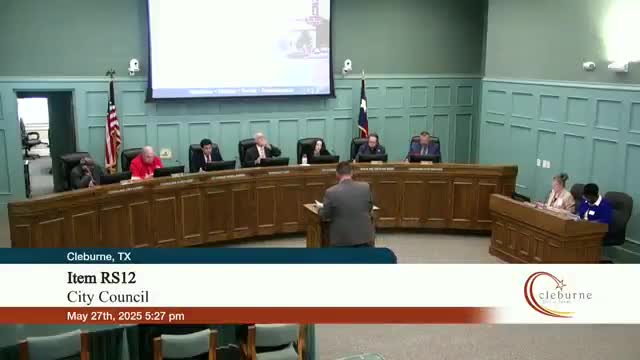
Council action: Mayor Pro Tem Blake Jones moved to approve the ordinance; Councilman Derek Weathers seconded. The motion passed unanimously.
What remains: Applications will be submitted to staff for review and brought to council for a decision on a case‑by‑case basis; staff will apply the ordinance’s documentation and compliance checks when evaluating requests.