Get Full Government Meeting Transcripts, Videos, & Alerts Forever!
Get email alerts on the Juvenile Probation topic
No spam. Unsubscribe anytime.
Assembly approves measure to limit length of noncustodial juvenile probation; debate splits 46–17
Summary
AB 13 76, by Assemblymember Bonta, establishes a nine‑month presumption that noncustodial juvenile probation should end unless a court finds otherwise; it passed 46–17 after extended floor debate over public safety and rehabilitation.
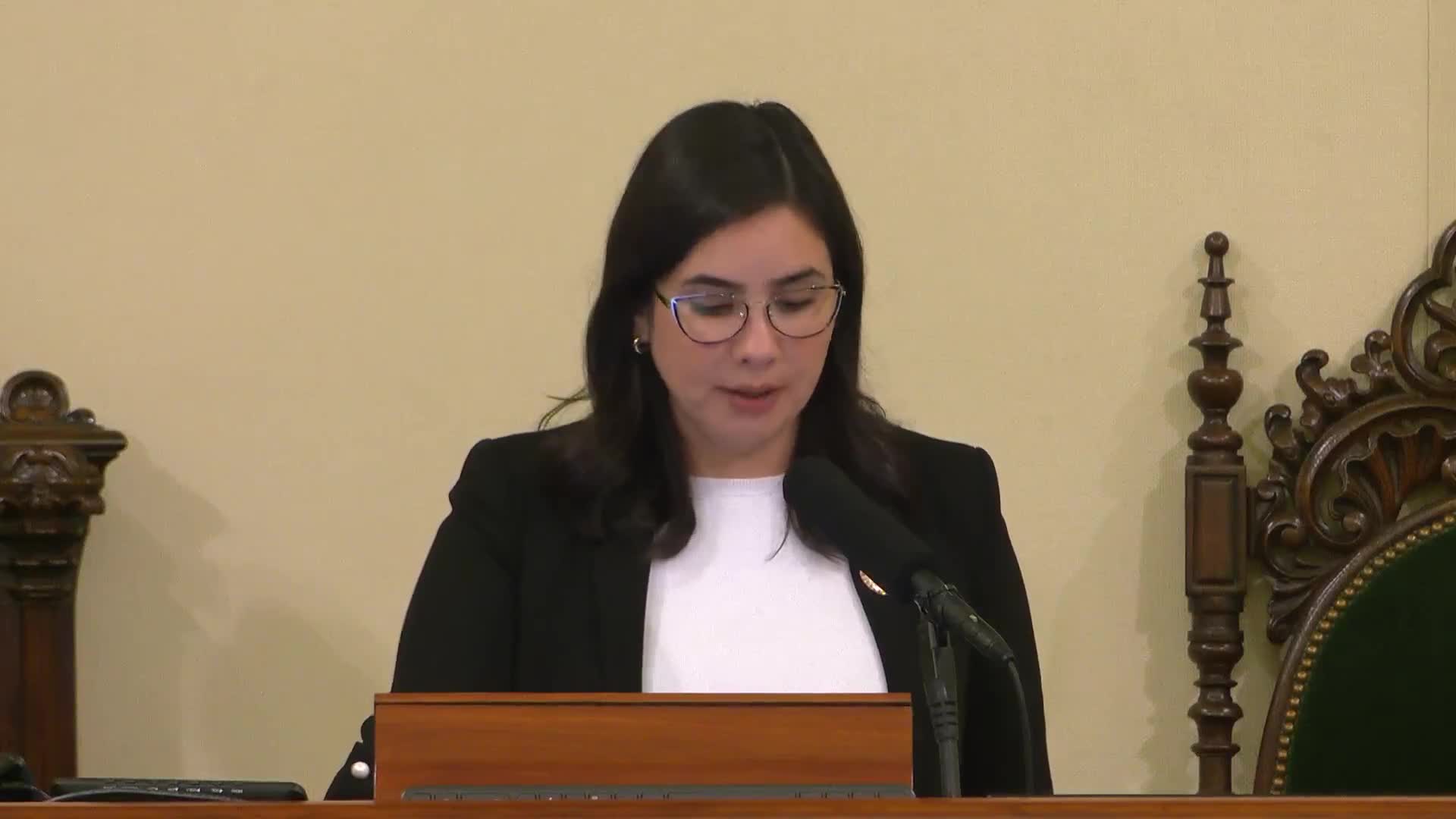
The Assembly on Wednesday passed AB 13 76, a bill by Assemblymember Bonta intended to limit the length of noncustodial juvenile probation. The measure establishes a presumption that probation ends at nine months unless the court finds by a preponderance of the evidence that the youth should remain on probation; the Assembly approved the bill 46–17.
In presenting the bill, Assemblymember Bonta said AB 13 76 "accomplishes this in 3 key ways": creating the nine‑month presumption, requiring review hearings every six months when probation is extended, and mandating developmentally appropriate and individualized conditions. "Our youth probation system is broken," Bonta said on the floor, citing research that long probation terms and excessive conditions can increase recidivism and hinder rehabilitation.
Supporters from both parties argued that shorter, reviewable terms better serve rehabilitation goals and reduce the collateral harms of prolonged system involvement. Assemblymember Sharp Collins said the bill "strikes a reasonable balance" by keeping judicial oversight in place and limiting indefinite probation. Assemblymember Schultz, chair of the Public Safety Committee, described the measure as "reasonable and balanced," noting that probation's goal is rehabilitation, not punishment.
Opponents warned that the proposal could remove tools needed to supervise youth who pose public-safety concerns. Assemblymember DeMaio called it a step toward weakening accountability and criticized past reforms he said had led to higher recidivism. Other members representing counties with concerns about juvenile crime also urged caution, saying some cases require longer supervision and joint rehabilitation efforts.
The bill includes safeguards allowing judges to extend probation when the court finds it is necessary for public safety or the youth's rehabilitation; supporters said that preserves judicial discretion. The final roll call: Ayes 46, Noes 17.
Next steps and context: Proponents said the bill aligns with practices in at least 11 counties that already review probation on shorter cycles and is limited to noncustodial wardship probation (youth supervised in the community). Opponents asked for monitoring of outcomes and emphasized that implementation will depend on county probation departments and local services.