Get Full Government Meeting Transcripts, Videos, & Alerts Forever!
Get email alerts on the Child Welfare topic
No spam. Unsubscribe anytime.
6th Judicial District CASA outlines rising caseload, asks counties to sustain support
Summary
Leslie Shy, executive director of the 6th Judicial District CASA program, told commissioners the program has added children this year (14 from Bannock County) and is asking counties to continue funding as grant revenue is uncertain and payroll costs have risen after adding supervisory staff.
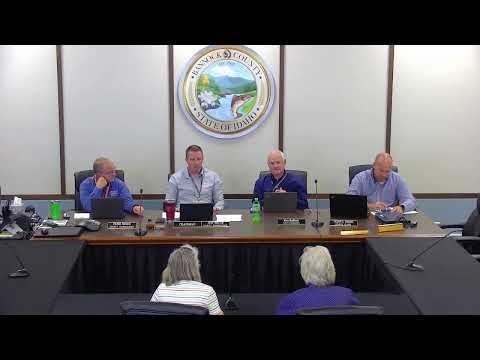
Leslie Shy, executive director of the 6th Judicial District Court Appointed Special Advocates (CASA) program, briefed Bannock County commissioners on rising caseloads, staffing changes and funding needs during the county’s budget hearings.
Shy said the program takes court-appointed volunteer advocates for children in the child protection system and extended foster care up to age 21. “We have taken 15 more kids in since I sent this letter out to you guys, and 14 of them were from Bannock County,” she said. She estimated the program serves roughly 350 children this fiscal year and expects to be at or slightly above last year’s total of about 357.
To respond to demand and improve volunteer retention, CASA added a full-time supervisor in Bannock County and converted another southern-county supervisor from part time to full time, Shy said; those changes increased payroll and prompted a recommendation to hold a one-year operating reserve. She told commissioners the program’s operating budget is “now up over $500,000,” with most of that for staff costs, and that an upcoming audit bill is about $10,000.
Shy described the program’s funding mix: an annual grant administered by the state Supreme Court (the program’s largest grant), smaller grants from United Way, the Taco Bell Foundation, Community Foundation, Walmart and TJ Maxx, and county contributions from six counties. “We definitely have the biggest need here in Bannock County,” she said; she estimated total county contributions across all six counties at roughly $43,000, with Bannock providing the most. Commissioners asked about specific county amounts during questioning; the figures were discussed but not finalized at the meeting.
Shy said CASA measures success by achieving permanency for children: she reported 91 percent of children who left the program last year achieved permanency through reunification, adoption or guardianship. The county did not take an immediate funding vote; CASA’s submission will be considered in the budget process.