
Bill to stack veteran preference with Nevada‑based business preference advances aims to reduce administrative burdens on state procurements
Get AI-powered insights, summaries, and transcripts
Subscribe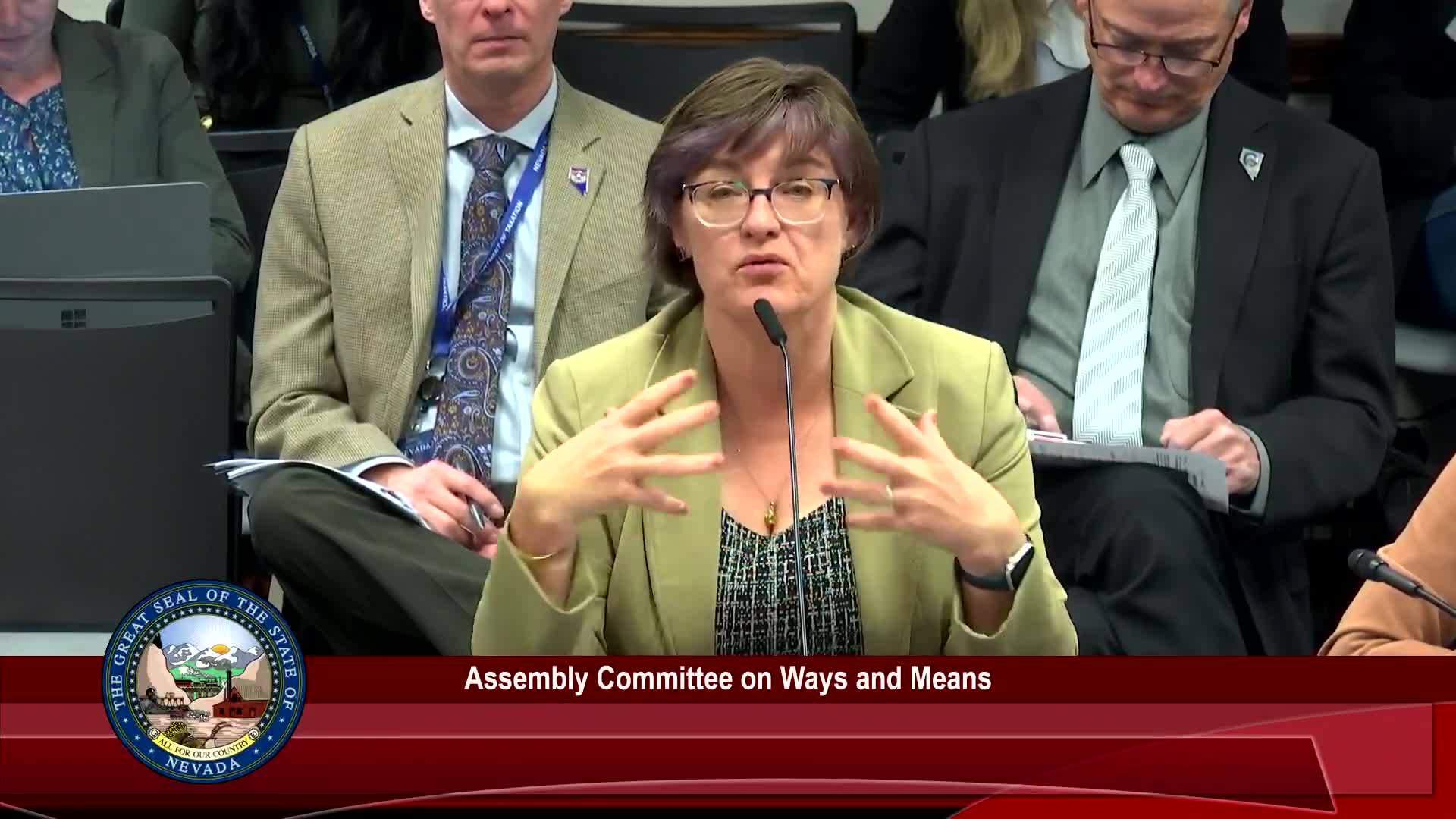
Summary
AB336 would change state procurement preference rules so that a service‑connected disabled Nevada veteran business preference can stack with Nevada-based business preference rather than being canceled out; sponsors said the change corrects an administrative anomaly and carries no fiscal impact to state purchasing operations.
Homa Sayar, formerly general counsel for the State Purchasing Division, presented Assembly Bill 336 to address how preference points and preferences are applied in state procurements. The bill came to Ways and Means after interim committee work and aims to make two changes: allow a preference for service‑connected disabled Nevada veterans to stack with the existing Nevada-based business preference, and to repeal the "inverse preference" that can penalize Nevada businesses bidding out of state.
"Everything in chapter 333 applies to using agencies," Sayar said. "These are purchases run by state agencies at lower dollar levels, as well as central purchasing, and these preferences create an administrative burden when applied inconsistently."
Why it matters: Proponents told the committee the bill corrects a mismatch that effectively cancels veterans’ preference when the Nevada-based business preference also applies, and that the inverse preference creates extra work when Nevada businesses bid on contracts elsewhere.
Fiscal and stakeholder context Former State Purchasing administrator Gideon Davis provided a fiscal note of $0 for the bill. Sayar and stakeholder witnesses, including the United Veterans Legislative Council, argued the measure could simplify procurement administration and support veteran‑owned Nevada businesses.
Public testimony Andrew Lapelbert, chairman of the United Veterans Legislative Council for Nevada, testified in support and described the change as "the right thing to do" to correct gaps and to honor veteran-owned enterprises.
Ending: The committee received supportive testimony and no agency fiscal objection; the bill was presented to the committee as a non‑fiscal statutory cleanup with policy and administrative impacts. It will proceed through committee scheduling for further consideration.