Get Full Government Meeting Transcripts, Videos, & Alerts Forever!
Get email alerts on the Workforce Development topic
No spam. Unsubscribe anytime.
Retired machinist pitches ‘Curry County Coastal CNC Academy’ to commissioners
Summary
Jeff Lage presented a plan for a nonprofit advanced manufacturing training and incubator in Curry County, seeking property, grant support and letters of recommendation from the county to launch apprenticeships, CTE connections and a manufacturing incubator.
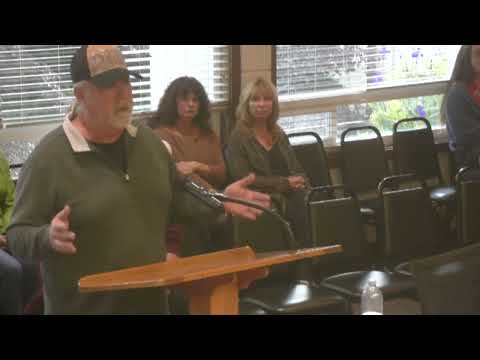
Jeff Lage, who identified himself as the founder of the Curry County Coastal CNC Academy, told the Curry County Board of Commissioners on May 20 that he is seeking county support to launch a nonprofit advanced-manufacturing training center he calls “Curry County Coastal CNC Academy.” Lage described the project as a training-to-employment pipeline that would teach CNC machining and related advanced-manufacturing skills and operate an incubator to help local makers and small manufacturers commercialize products.
Lage said the academy would start with middle- and high-school outreach, partner with the community college for certification and apprenticeships, and aim to incubate small manufacturing businesses that could provide living-wage jobs locally. “The whole idea is to create a sustainable living-wage career opportunities right here,” Lage said.
Commissioners and other attendees praised the concept and raised practical questions about facilities, workforce housing and partnerships. One commissioner noted the county’s housing shortage and urged coordination so that any future hires could be housed locally. Lage acknowledged housing limits but said higher wages and apprenticeships could help attract and retain workers. He also said he’d begun applying for grants, mentioned potential Department of Defense research funding, and asked the board for letters of support and help identifying property, including land at the county airport.
Officials from Southwestern Oregon Community College (SWOC) and local employers were referenced as potential partners. A college representative told the meeting the college’s five-year plan includes developing flexible career-and-technical education space and that small-scale manufactured parts would not require the large logistics footprint of heavy industry. Lage described conversations with local manufacturers—including a longtime maker of machine tools—and said local firms have aging workforces and will need trained replacements.
Lage said he had set up a nonprofit and has created a Facebook page for the project. He left flyers for commissioners and invited retired machinists and tradespeople to volunteer as instructors or mentors. Commissioners agreed to help connect him with local partners and noted county staff and other community leaders had already introduced him to relevant college and port stakeholders.
The presentation concluded with commissioners offering to follow up and with requests for more detail on specific site options, potential grants and an early implementation plan.
Additional context: the presenter tied his proposal to county economic-development concerns, including out-migration of young people since the local mill closure and the seasonality of tourism jobs.