
Council approves pilot parking sensors as procurement dispute puts paid‑parking launch at risk
Get AI-powered insights, summaries, and transcripts
Subscribe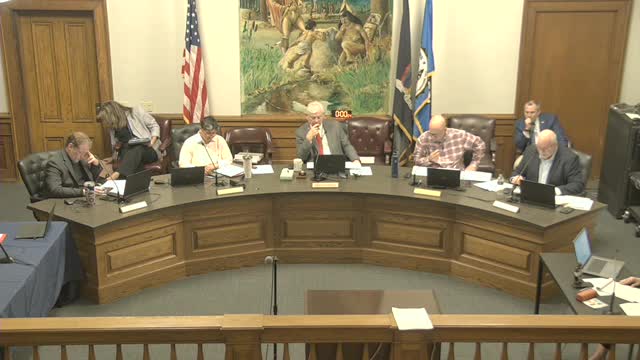
Summary
The council authorized a 180‑day pilot of solar parking sensors donated by Municipal Parking Services, but separate paid‑parking implementation was complicated when the staffing vendor objected to insurance requirements for its contract extension, prompting staff to pull that agenda item pending resolution.
The City Council voted to authorize a demonstration pilot of six solar parking-sensor posts donated by Municipal Parking Services (MPS) but also learned the paid‑parking program’s vendor extension faces a procurement snag that could delay the program’s start.
Under the pilot, MPS will deploy six solar sensor posts at locations selected with Public Works; the company will donate product, installation and cellular data services for a 180‑day demonstration. The system will detect occupancy and send images and license-plate information to staff for enforcement planning; Municipal Parking Services said it will work with the city to assess occupancy trends and gauge whether camera‑generated enforcement could supplement in‑person ticketing if state law permits.
Police and public‑works staff said the devices will be used to target repeat offenders and help redeploy parking enforcement resources. The public‑safety presentation said sensors would not immediately be used to automate ticketing; instead, data will be provided to city staff for review.
At the same meeting, the council was told the award extension for the paid‑parking staffing vendor (the company that provides attendants) could not proceed because the vendor declined to provide an additional excess‑liability policy the city requires. Department of Public Works officials said the firm had included the required insurance when it won the original bid last year but now said the excess coverage was too expensive and would not be supplied for a contract extension. The vendor had provided the coverage in the prior contract award but was unwilling to repeat that condition for a renewal.
Commissioner Marshall (Public Works) said the city could attempt to rebid the staffing contract quickly or seek a short, emergency solution if the vendor does not meet insurance requirements; councilors suggested staff and the mayor contact the vendor to press for compliance. The commissioner pulled the extension item from the agenda so staff could negotiate or rebid; he said the paid‑parking program would start without attendants if the staffing issue remained unresolved.
Councilors also raised aesthetics, privacy and stakeholder‑engagement questions about the MPS posts, which are visible posts bolted to sidewalks. Critics asked staff to consult the Downtown Business Association, the Historic Preservation entities and the Special Assessment District before installing posts in historic or design‑sensitive areas. The council voted 4–1 to approve the MPS pilot; one councilor voted against the motion citing concerns about the posts’ appearance and data handling.