
Michigan Works presents workforce-training models that aided hundreds in recovery, urges investment
Get AI-powered insights, summaries, and transcripts
Subscribe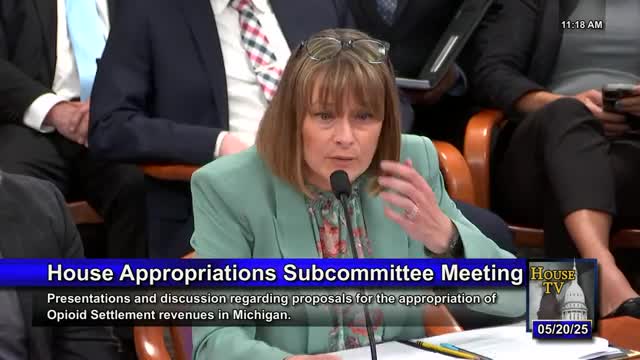
Summary
Michigan Works told the subcommittee that targeted workforce programs — including an opioid-focused dislocated worker grant — helped hundreds reenter the workforce and urged the committee to fund workforce solutions as part of opioid recovery investments.
Michigan Works representatives told the House subcommittee that workforce-development programs help people in recovery reenter the labor force and stabilize long-term recovery, and asked lawmakers to prioritize workforce investments when allocating opioid settlement funds.
Speakers detailed a dislocated-worker grant administered in partnership with the Department of Labor and Economic Opportunity that served 340 participants (target was 170) from 2021 to 2023 in communities hit hardest by opioid addiction. The grant included career and training services, classroom and on-the-job training and supportive services, and produced several examples of individuals who gained employment and training opportunities.
Michigan Works representatives said programs that combine training with support — transportation, child care and recovery coaching — accelerate reentry into stable employment and recommended that settlement funds support scalable workforce interventions that connect people in recovery with in-demand careers.
What was not decided: No specific workforce funding levels were approved.
Next steps: Michigan Works offered to provide more information on program models and outcomes.