
Judiciary committee opens debate on limits to noncompete agreements; discussion ends with adjournment
Get AI-powered insights, summaries, and transcripts
Subscribe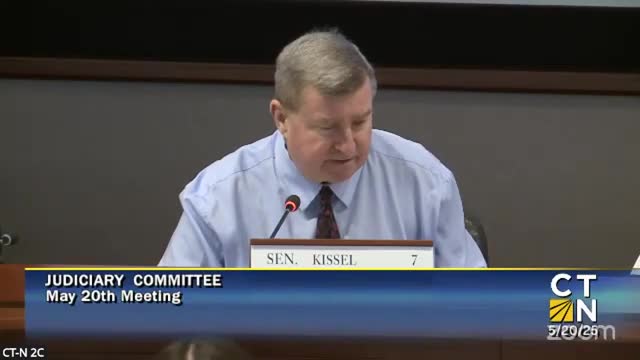
Summary
The Judiciary Committee began consideration of Substitute for House Bill 7196 on May 20, a measure limiting the enforceability of noncompete covenants and imposing notice requirements for employers, but the committee adjourned before taking a vote.
The Judiciary Committee on May 20 took up Substitute for House Bill 7196, an act concerning limitations on the use of noncompete agreements. Committee members discussed the bill’s scope, notice provisions and the role of the attorney general in enforcement but the meeting was adjourned before the committee voted on the substitute.
Why it matters: The substitute would alter how noncompete covenants are enforced in the state, potentially changing employer obligations for notice to employees, permissible geographic scope of covenants and civil remedies including actions by the attorney general.
Key points from the morning’s discussion
Representative Fishman questioned how the bill’s geographic limitation is intended to function. Reading lines from the draft, he asked whether a covenant that restricts competition “in geographic areas in which a worker neither provided services nor had material presence or influence during the 2 years prior to such separation” is intended to be invalid. Committee members and counsel explained the clause is meant to limit enforceable covenants to areas where the worker had been active during the prior two years.
Members also examined the bill’s required notice language. Representative Fishman asked whether a notice provision in subsection D is a statement to the worker “expressly that not all covenants to compete are enforceable,” and staff confirmed that the provision is intended as a notice explaining the enforceability limits to employees.
Questions about enforcement and statute of limitations
Representative Fishman asked what statute of limitations would apply to enforcement actions brought under the bill, noting the bill’s text states the attorney general may not bring an action that would otherwise be barred under the applicable statute of limitations. Counsel said it could vary by cause of action — contract statutes of limitation can run six years in some circumstances and shorter periods in others — and that he did not have a single answer for every scenario.
Meeting adjournment
Before the committee could complete consideration or take a vote on the substitute bill, the chair said the Senate had gavels in and moved the committee to adjourn. The meeting ended with no recorded committee vote on Substitute for House Bill 7196.
Next steps: No vote was taken; the bill remains pending before the Judiciary Committee for future consideration.