Get Full Government Meeting Transcripts, Videos, & Alerts Forever!
Get email alerts on the Facilities Capital topic
No spam. Unsubscribe anytime.
District outlines $515,300 summer capital plan and warns of long‑term cooling needs at older schools
Summary
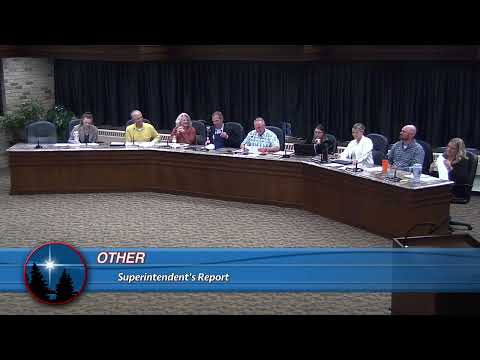
Administrators presented the district’s summer capital schedule and discussed longer‑term heating, ventilation and air‑conditioning challenges at several non‑air‑conditioned elementary schools after heat issues at the high school this spring.
District administrators told the board on May 19 that the 2025 summer capital project schedule carries an estimated cost of $515,300 funded from Long Term Facility Maintenance (LTFM) and operating capital.
Ashley (presenter) described the schedule as a planning document derived from a 10‑year plan that prioritizes projects and allocates approximately $1.3 million per fiscal year in the short term, with larger projects sometimes spread across fiscal years or funded by grants or debt. Work listed for the coming summer includes LED lighting retrofits (noted for Horsemay, JW and the district office), resurfacing the indoor running track at the high school and replacing walk‑in cooler condensing units in the Bemidji High School kitchen. Administration said LED retrofits are expected to yield energy rebates and lower utility costs.
Several board members and staff used the capital update to press for a longer‑term plan to address cooling at older elementary schools that are not air‑conditioned, specifically Northern, JW Smith, Solway and Morris May. One board member said band‑aid solutions were investigated and concluded to be financially unsound; the member suggested the district consider bonding once other debt is reduced. A district staff member referenced climate trends and scientific projections for increasing extreme‑heat days by mid‑century as additional rationale for planning.
Superintendent Olsen explained that the high school chiller project was delayed and that, when the old chiller is removed during replacement, the district cannot operate the cooling system until the new hookup is complete. He said staff are monitoring weather and will notify families if high‑temperature periods recur, and that staff are using nighttime cool‑air strategies while the system remains offline.
Administration described the capital plan as informational; no capital appropriations or debt issuances were approved at the May meeting. Board members said they want cooling needs incorporated into long‑term facility planning and budget discussions.