Get Full Government Meeting Transcripts, Videos, & Alerts Forever!
Get email alerts on the Parks Recreation topic
No spam. Unsubscribe anytime.
Council renews operating agreement with Parks & Recreation District; councilors flag open-ended language
Summary
Council approved Resolution 25-21 to renew the City of Evanston's operating agreement with the Evanston Parks and Recreation District for fiscal year 2025–26. Parks director Kim Larson said the agreement is largely unchanged; several councilors questioned open-ended subsidy language and equipment-ownership provisions and were told budget process
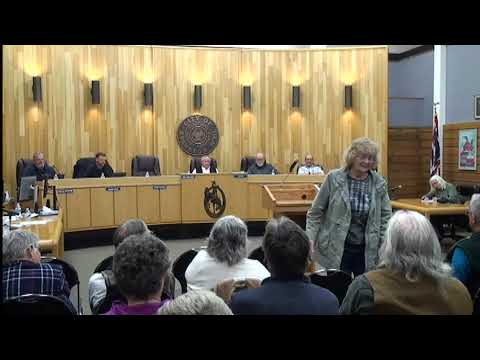
The Evanston City Council voted to authorize the city’s annual operating agreement with the Evanston Parks and Recreation District for the 2025–26 fiscal year by approving Resolution 25-21.
Kim Larson of Parks and Recreation presented the renewal and told councilors she saw no reason for substantive changes to the operating agreement. Council discussion focused on several provisions councilors described as outdated or open-ended, including:
• Section 2(b), which the councilor who raised the point called an “open-ended city subsidy obligation,” because it obliges the city to provide additional funds if district tax revenue is insufficient to meet operating costs without a defined cap or a required council review mechanism. The councilor said that absence of limits could create “an open ended fiscal obligation that may strain city resources.”
• Section 7(a), under which the city retains ownership of equipment used by the recreation district and is responsible for maintenance; a councilor asked whether that approach could duplicate costs or blur accountability between funder and service provider.
• Section 8(a), which ties golf-course reimbursements to broad labor-cost categories; a councilor said the language is vague and could allow billing variability without stricter documentation standards.
• Section 13, which limits the scope of board-initiated capital projects coordinated with the city only when those projects are funded through the city budget; a councilor said that could limit the recreation board’s flexibility to pursue grant-funded or independently financed capital work.
City staff responded that the city’s budgetary process and council approval of appropriations serve as a control on expenditures and that any transfer or trade-in of city-owned equipment would still require council approval because the items are city property. City staff member Harris told councilors he did not recommend immediate changes; the body could revisit the agreement in the future if desired.
Councilor Sellers moved to introduce and pass Resolution 25-21; Councilor Welling seconded. The council voted in favor and the resolution passed.
Why it matters: The operating agreement codifies how the Parks and Recreation District uses city-owned assets and how the city reimburses recreation operations. Councilors signaled they may seek contract modernization to tighten language on subsidy exposure, equipment transfers, documentation standards for reimbursements and capital-project coordination.
What’s next: City staff and the council may revisit the agreement language in a future budget or policy review if members want to propose formal amendments.