Get Full Government Meeting Transcripts, Videos, & Alerts Forever!
Get email alerts on the Design Manual Draft Review topic
No spam. Unsubscribe anytime.
Board reviews draft City of Portland Historic Resources Design Manual; members urge clearer, user-friendly guidance
Summary
At a workshop the Historic Preservation Board reviewed draft chapters of the City of Portland Historic Resources Design Manual. Members and public commenters praised the update but requested clearer quick-reference materials, better case-study signposting and less aggressive image masking to help lay readers and applicants use the manual.
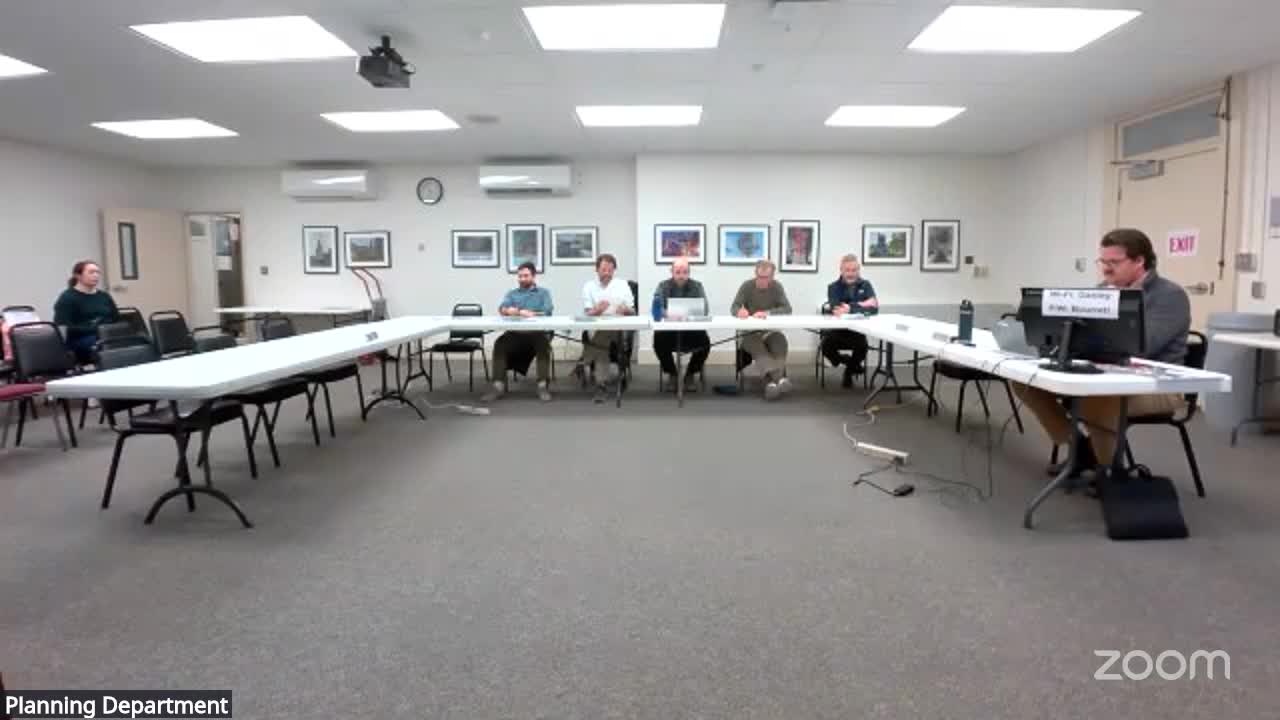
The Portland Historic Preservation Board held a workshop to review draft chapters of the City of Portland Historic Resources Design Manual, the first substantial update since the 1990s. Staff presented material-design and layout revisions, a set of draft standards, and ten proposed case studies illustrating precedents.
Staff described graphic conventions, bookmarked case studies and the structure of chapters 1'3. Mel Donaldson, identified by staff as director of special projects, and Evan (preservation staff) explained that the design work was developed with a professional graphics designer and that many images were placeholders that will be replaced with higher-quality photos.
Members and the public broadly endorsed the effort but offered detailed editorial and usability suggestions. Allison Frazee, director of advocacy at Greater Portland Landmarks, told the board the draft is "a hefty document" and recommended adding a frequently asked questions section or a separate, interactive quick-reference guide for lay users. Frazee also urged staff to reduce the amount of photo masking in some layouts so readers can see full streetscape context.
Board members emphasized making the manual accessible to homeowners and contractors who commonly submit smaller applications. Several members urged topical, short guidance on recurring issue areas'windows, siding and trim, roofing, skylights and small porches'and recommended pairing those topic pages with concise case studies and clear icons indicating which case studies address which issues.
Staff said the document will remain a working draft and that further chapters (additions, new construction, implementation guidance) will return at future meetings. Board members suggested the city could publish the manual as modular web content (chapter-by-chapter) with annexed one-page checklists or application-specific guidance to help those who do not want to read a long PDF.
Public-comment and board discussion also encouraged a living approach to the manual: updateable online case studies, periodic additions after notable projects are completed, and an annual or biennial review cycle so the manual stays current.
Staff said they will collect written comments, tighten case-study signposting (icons and short tags), revise image-masking to show more context in many pages, and explore a short FAQ/quick-guide and application-specific appendices for common project types.