Get Full Government Meeting Transcripts, Videos, & Alerts Forever!
Get email alerts on the Health Insurance topic
No spam. Unsubscribe anytime.
Laredo ISD consultant: health plan faces $2.5M shortfall through Dec.; 2026 projected $7.7M gap
Summary
HUB International told the Laredo ISD Board of Trustees that the districtself-funded health plan shows a $2.5 million shortfall for Julythrough Dec. 2025 and a projected $7.7 million deficit for calendar-year 2026; trustees asked staff to model alternatives and report back.
LAREDO Dec. 2025 — A consultant for HUB International told the Laredo ISD Board of Trustees on Tuesday that the districtself-funded health plan has run a significant budget gap and needs immediate fiscal choices to cover the remainder of 2025 and to reduce a larger projected shortfall for 2026.
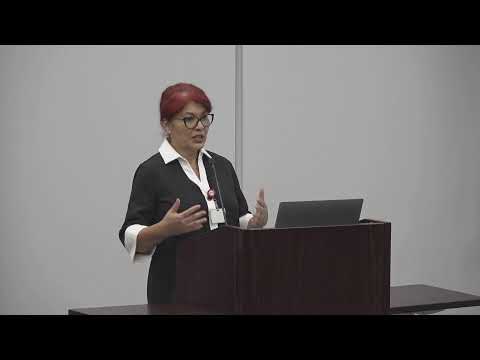
Elizabeth (Liz) Bibbo, an employee-benefits consultant with HUB International, told trustees the districtexpects total health-plan funding of about $20,000,005.61 for calendar-year 2025 but forecasted expected health-plan costs at roughly $23,000,001.22, creating a roughly $2.5 million deficit for 2025 that would fall in part on district funding for July through Dec. 2025.
The shortfall for the 2026 calendar-year projection is larger: with medical and pharmacy trends applied, Bibbo said the planexpected cost for 2026 is about $28.4 million and, if contributions remain unchanged, that would generate an estimated $7.7 million deficit. "With the Rx rebate credit your total expected cost for 2026 is 28,400,000.0," Bibbo said. "If you do not make any changes to funding either on the employee side or the district side ... that would create $7,700,000 deficit for the health plan year."
Why it matters: the districthealth plan runs on a calendar year while the district budget runs on a fiscal year that spans parts of two calendar years; trustees and staff warned that shortfalls now will affect both the current budget and planning for 2026.
What the consultant presented: Bibbo described the districtfunding sources for the self-funded plan (employer and employee contributions), recent claims experience and trends, and a preliminary stop-loss quotation from Blue Cross Blue Shield that would substantially increase stop-loss premium unless changes are made to the plan. She said current claims through April 2025 show a sharp uptick in very large claims compared with 2024, with more claimants over the six-figure threshold appearing in a shorter time frame.
She also presented mitigation options that trustees could consider, including: - increasing district employer contributions for the remainder of 2025 and for 2026; - modest employee contribution increases (examples in the consultantmaterials showed lower-dollar monthly increases for employees across different plan tiers); - redesigning plan options (for example, consolidating two PPO plans into one and maintaining a high-deductible option); - exploring other carriers or TRS plans while noting tradeoffs in deductible and benefit levels; - negotiating pharmacy rebates and other contract terms with the carrier.
Bibbo said the district would need to act on near-term funding for July through Dec. 2025 while also planning for a larger 2026 exposure. She told the board she could price design alternatives if trustees wanted those options priced. "I could give suggestions if you're amenable to those suggestions," Bibbo said when asked if she could provide example designs and pricing.
Trustee concerns and staff direction: Trustees pressed for options that would limit employee disruption while reducing district exposure. Trustee Dr. Gilberto Martinez Jr. warned that asking employees to cover midyear increases is not sustainable and urged staff to provide alternatives that spread cost between district and employees. Trustee Monica Rangel Garcia and others asked staff to model the effect of one-time fund-balance support vs. recurring changes to contributions.
Board members asked staff to: obtain and present pricings for alternative plan designs; examine whether TRS or other carriers could provide comparable benefits at lower total cost; explore models similar to Webb Countywhere a county clinic reduced member copays; and pursue additional pharmacy-rebate and stop-loss negotiations. Trustee Rodolfo Morales III specifically asked staff to compare Webb County's clinic model and report back.
What was not decided: Trustees did not vote on any change to contributions or on plan design at the workshop. The consultants and staff were directed to return with pricing and written options for the board to consider at an upcoming meeting. Bibbo repeatedly stressed the numbers presented were preliminary and that specific plan changes would require formal board action and communication to employees.
Ending: Trustees signaled urgency but also concern about making midyear changes that would affect employees' out-of-pocket costs. Staff committed to return with alternative plan designs, cost estimates and a timeline so the board can weigh one-time fund-balance support against recurring budget changes.