Get Full Government Meeting Transcripts, Videos, & Alerts Forever!
Get email alerts on the Indigent Defense Funding topic
No spam. Unsubscribe anytime.
Indigent defense commission wins partial funding; commission touts omnibus bill and bemoans unmet pipeline requests
Summary
Texas Indigent Defense Commission received modest budget increases and an omnibus bill (SB 2111) passed; commissioners say key requests to shore up rural attorney pipelines and family representation remain underfunded.
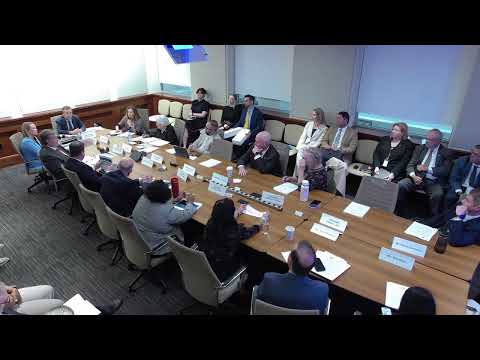
Texas Indigent Defense Commission (TIDC) Executive Director Scott Ehlers briefed the Judicial Council on the agency’s budget, recent board changes and an omnibus bill that cleared the legislature.
Ehlers said TIDC requested $111 million in exceptional items across several priorities—addressing a structural shortfall in the fair defense account, a rural attorney pipeline program, family representation funding, and expanded public defender offices—but legislators funded a smaller portion. The legislature provided roughly $18.7 million initially, plus access to unspent ARPA (LoanSTAR) funds and a supplemental appropriation that increased the next biennium funding by about $25 million compared with the prior biennium, Ehlers said.
Ehlers highlighted passage of an omnibus bill (Senate Bill 2111) that cleans up magistration statutes, and includes multiple commission priorities. He said the omnibus also recognizes the Gideon anniversary through a legislative resolution. Ehlers described board turnover—naming new board leaders and Supreme Court members now serving on the commission—and urged continued council support for indigent defense priorities.
TIDC remains focused on a pipeline to attract new attorneys into indigent defense, particularly in rural counties, and on program funding for family representation. Ehlers said the legislature did not fund a proposed statewide pipeline program or a request for large new investments in family protection representation, but that one‑time and supplemental funds will provide temporary relief for some priorities.
Ending: Ehlers asked council members to consider advocacy and continued attention to indigent defense funding during the interim and ahead of the next session.