Get Full Government Meeting Transcripts, Videos, & Alerts Forever!
Get email alerts on the Play Ags Sale Brightstar topic
No spam. Unsubscribe anytime.
Brightstar-led deal to take PlayAGS private and fold it into new owner approved by board
Summary
The Gaming Control Board recommended approval of a private‑investment company deal under which Brightstar Capital will acquire PlayAGS, including a request for private‑investment company waivers and equity incentive plans; the board attached standard PIC conditions and required surveillance inspections for the restricted location.
The Nevada Gaming Control Board recommended the Commission approve a private‑equity acquisition that will take PlayAGS Inc. private and place the company under a Brightstar Capital Partners-managed private investment company (PIC).
Why it matters: The board reviewed a structure chart showing a PIC aggregator (Bingo Ultimate Holdings LP) as the vehicle to acquire PlayAGS and related intermediary entities. The deal includes management rollover equity and an employee incentive class (Class B) representing a minority economic interest — items for which the board customarily grants waivers to standard PIC characteristics.
What the board heard: Brightstar’s principals described the firm’s 10‑year history, funds backing the deal, and business plan focused on international growth and product expansion. PlayAGS CEO David Lopez and other executives presented integration plans and described the company’s roughly 1,000 global employees and offices in Nevada, Atlanta and Austin. Brightstar said the agreement provides cash consideration to public shareholders and a plan for maintaining Las Vegas operations and community contributions.
Investigations and conditions: Board staff reported a detailed background check of the PIC principals and the proposed management team. Counsel requested waivers to NGC regulation 15 c to permit the class A and class B equity arrangements typically used to preserve management rollovers and employee incentives; staff characterized the requests as standard PIC waivers, subject to conditions. The board required quarterly disclosures of holders of the incentive units, a $50,000 investigative revolving fund to cover investigative costs if monitoring is needed, and delivery of credit/collateral documents within 90 days of Commission approval.
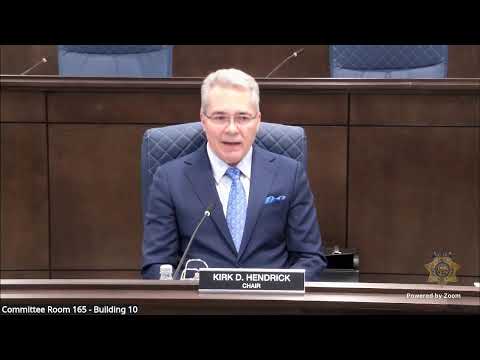
Formal action: Judge Assad moved that the board recommend Commission approval of the PIC structure, waivers and deregistration of PlayAGS as a publicly traded company; the motion passed unanimously (Member Assad: aye; Member Sandahl: aye; Chairman Hendricks: aye). The board’s approval included a draft order terminating PlayAGS’ registration to reflect the change to a privately held structure.
Next steps: The board’s recommendation goes to the Nevada Gaming Commission for final action. Parties said they expect to work through remaining prior‑approval jurisdictions and to close the transaction if those approvals are obtained.
Ending note: Presenters emphasized retention of PlayAGS operations in Nevada and plans for employee and community investments; the board conditioned its recommendation on standard PIC monitoring measures to ensure ongoing disclosure of equity holders and to fund investigations if needed.