Get Full Government Meeting Transcripts, Videos, & Alerts Forever!
Get email alerts on the Public Access topic
No spam. Unsubscribe anytime.
Council orders temporary reopening of Fogland Beach access to vehicles, plans summer monitoring after public debate
Summary
After public testimony and competing recommendations from Open Space and some councilors, the council voted to remove concrete barriers at Fogland Beach and restore limited vehicular access for the summer while monitoring environmental and usage impacts.
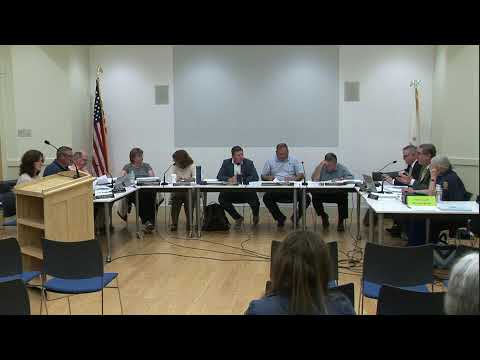
The Tiverton Town Council voted June 9 to remove concrete blocks that had been placed to restrict vehicle access to the cul-de-sac area at Fogland Beach and to monitor the site through the summer for impacts on access, marsh health and public use.
Councilors and members of the public debated the issue for more than an hour. Open Space Commission staff and a Save the Bay representative had recommended limiting vehicle access to protect the adjacent salt marsh and its hydrology; they cited long-running conservation work and concerns about marsh impoundment. Several residents and longtime beach users urged that limited vehicular access be restored, saying elderly clammers and families use the cul-de-sac for launching and that vehicle access had not, in their experience, caused damage. Fire and emergency-response concerns were raised on both sides: some councilors noted emergency access and past rescues or cardiac calls in the area; Open Space cited concerns about vehicle impact on dunes and vegetation.
After extended discussion the council voted to remove the barriers and to direct staff to monitor use and report back. Councilors also asked for signage and suggested the town's community safety officers or DPW periodically record use, damage and trash so the council could reassess at the end of the season.
Why it matters: the decision balances two competing goals — protecting a salt-marsh complex and maintaining public access and traditional recreational uses. The summer monitoring period is intended to give staff data to evaluate long-term policy.
What's next: DPW and Open Space staff will remove the blocks; the town will monitor beach use and report any environmental impacts or enforcement issues to the council for a follow-up decision.