Get Full Government Meeting Transcripts, Videos, & Alerts Forever!
Get email alerts on the Traffic Calming topic
No spam. Unsubscribe anytime.
Traffic commission approves trial traffic-calming measures on Charger Street and Procter Avenue
Summary
After resident petitions and a traffic working-group review, the commission approved trial measures including a radar speed sign, stop signs and a recommended speed hump and stop-sign changes for Procter Ave.
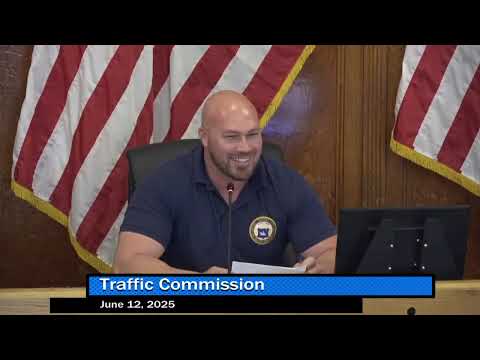
The Revere City Traffic Commission on June 12 approved the traffic working group's recommendations to address speeding on Charger Street and speed concerns on Procter Avenue.
For Charger Street the commission approved installing a radar speed-feedback sign roughly midway between Grover and Squire streets on a trial basis. The working-group data presented at the hearing showed an 80th-percentile speed above the posted limit, more than 800 vehicles per day, and roughly 50% sign effectiveness (the presentation said the sign slowed about half of drivers but speeds at the 80th percentile remained above the limit). Several residents testified about persistent speeding; one, Christine Robertson of 187 Charter Street, said the volume and speeds make crossing the street hazardous.
For Procter Avenue the working group recommended a speed hump west of Smith Street and stop signs at Procter at B Street (Easterly) and B Street Westerly to address directional speeding. The commission approved the recommendations as a package and asked staff to monitor effectiveness with the intent to consider further measures if speeds do not decline.
A commissioner noted the city's traffic-calming policy offers a toolkit beyond humps and signs (for example chokers or chicanes) and supported starting with trial measures before installing physical speed humps. The commission voted to approve the working-group recommendations as written; the chair recorded the motion as approved.
The commission directed staff to collect follow-up data during the trial period; if the trial does not reduce dangerous speeds, staff may return with alternative measures such as speed humps.