Get Full Government Meeting Transcripts, Videos, & Alerts Forever!
Get email alerts on the Transportation topic
No spam. Unsubscribe anytime.
Planning commission reviews transportation chapter; DPW matrix for unpaved roads highlighted
Summary
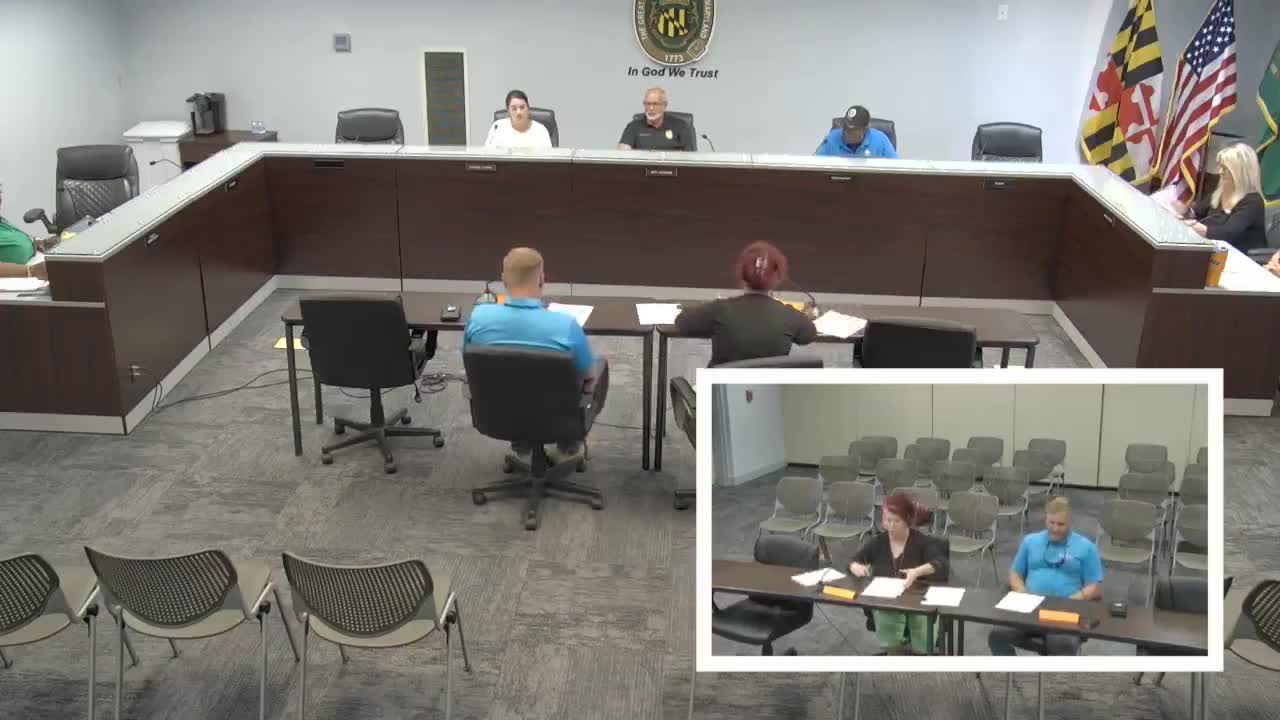
Caroline County’s Planning and Zoning Commission spent a substantial portion of its June meeting discussing the draft transportation chapter of the county comprehensive plan, focusing on how the Department of Public Works prioritizes paving and stormwater work and how the county should account for new traffic and weather stresses.
Caroline County’s Planning and Zoning Commission spent a substantial portion of its June meeting discussing the draft transportation chapter of the county comprehensive plan, focusing on how the Department of Public Works (DPW) prioritizes paving and stormwater work and how the county should account for new traffic and weather stresses.
Commission Chair Jeff Jackson and members reviewed how DPW has developed a scoring matrix for unpaved roads and whether a similar objective process could be used for paved roads. DPW representatives described the unpaved-road matrix as a multi-factor system that weighted distance from the shop, bus routes, emergency-service access, call volumes, proximity to streams and wetlands, and repeat flood/washout risks. "It was objective. It was very objective," a DPW representative said of the unpaved-road scoring exercise.
The commissioners and staff discussed several trends that have changed since the county’s last transportation planning in 2010: larger farm equipment, growth in poultry operations, build-out of previously vacant lots, more home-based businesses with trailers or landscaping trucks, and increased parcel deliveries from carriers such as FedEx and UPS. DPW staff noted the county has added ATOM, a data system used to track assets and incidents, which staff said helps but does not replace needed local judgment.
Commissioners raised questions about whether the paved-road network could be prioritized using the same level of objective scoring used for gravel roads. DPW staff said paved roads are handled with a three-tier classification (primary, secondary, tertiary) that makes a different approach more appropriate; traffic counts and use patterns help identify priority paved roads.
Stormwater and climate impacts were a recurring concern. Commissioners asked staff to add language to the chapter reflecting increased rainfall, coastal flooding, washouts and heat-related degradation of roadbeds and surfaces. School bus routing and turnaround behavior — where buses may not traverse full road lengths and instead turn in private driveways — was cited as a localized but recurring cause of edge deterioration on smaller roads.
The commission discussed implementation: the comprehensive plan remains a 10–15 year policy document meant to guide funding priorities rather than list every specific project. Staff said detailed priority lists or technical appendices could be included but that the body text should stay at a higher level. Commissioners asked staff to designate county-designated primary roads as top priority for maintenance in the draft.
Next steps: staff will incorporate DPW updates and recommended language into a final draft to present to the commission in July; a full draft for state and public review is expected in early 2026, with final adoption possible the following spring or summer.