Get Full Government Meeting Transcripts, Videos, & Alerts Forever!
Get email alerts on the Ziterion Theater topic
No spam. Unsubscribe anytime.
Ziterion Theater moved to its own cost center; council questions taxpayer support for renovation and utilities
Summary
The Ziterion Theater now has a separate cost center for accounting of occupancy and maintenance costs. Councilors pressed city staff about a $495,000 management contract, whether the theater pays its utilities and the overall city financing of a multi-million-dollar renovation.
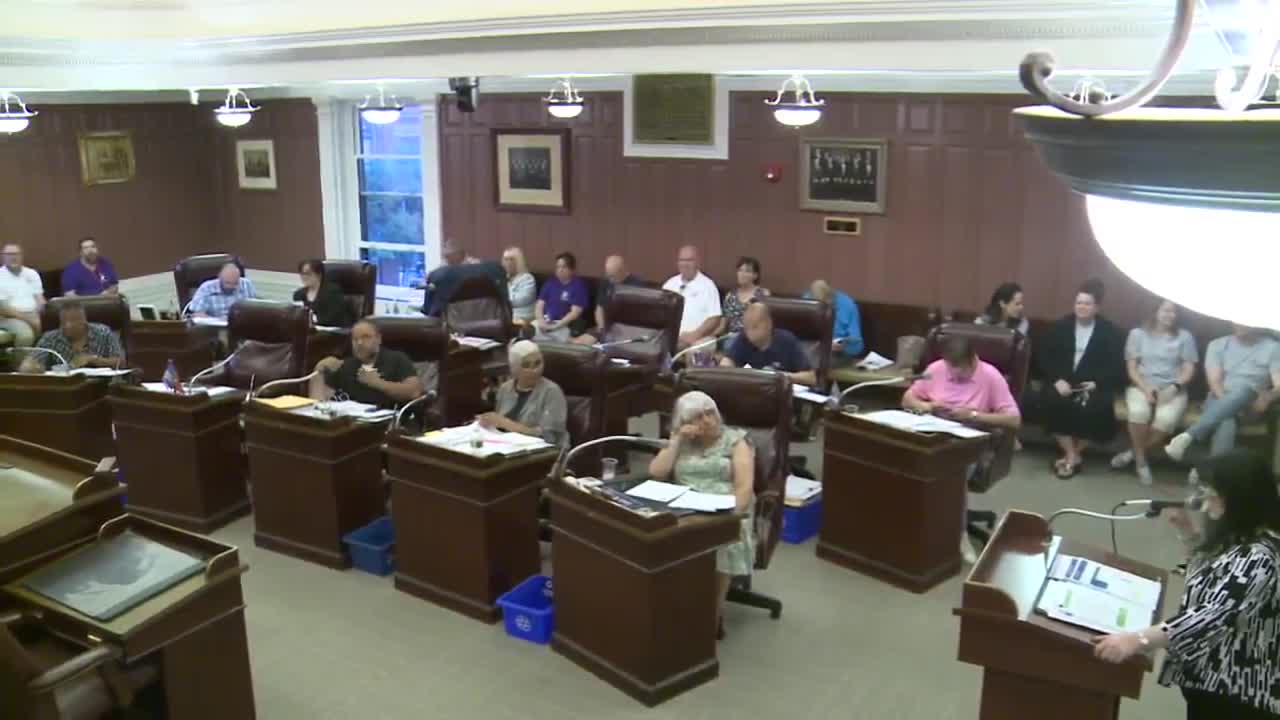
Director Jennifer Viera and CFO Bob Ekstrom told the City Council on June 5 that the Ziterion Theater has been moved into its own cost center so theater-specific electricity, maintenance and occupancy costs appear in a single place.
Viera said the reorganization moves electricity, repair and maintenance, and maintenance agreements associated with the theater out of DFFM’s general accounts and into the theater’s own line. Councilors asked for the Ziterion’s contractual details. Councilor Gia Stauner requested the management contract and a list of who receives management support payments; Viera said the contract can be provided.
Councilors also pressed whether the theater (a city‑owned building) would pay its own utilities under recent agreements. Councilor Morad said she believed that agreement meant the city would stop paying the Ziterion’s utilities; CFO Ekstrom replied, “We always pay the electricity. There's no question about it,” but later clarified that current city utility accounts for the theater are turned off while renovation work is in progress.
Ekstrom and councilors discussed the project's financing: the renovation is a multi-million-dollar project (Ekstrom cited a $3,738,000 figure during discussion) funded through a mix of sources including private fundraising and city support; the council asked whether ticket sales or rentals would return funds to the city. Ekstrom said that the theater operates as a separate entity and the city’s direct funding is not structured to be recouped through ticket revenue.
Councilors expressed concern about continued taxpayer support and the structure of the theater’s subsidy. One councilor noted an “accelerator clause” in the original agreement that could increase city support over time.
Ending: Councilors requested the management contract and a clearer breakdown of what city funds support renovation, operations and utilities; staff said they would provide the contract and the theater cost-center details for follow-up review.