Get Full Government Meeting Transcripts, Videos, & Alerts Forever!
Get email alerts on the Family Keys Pilot topic
No spam. Unsubscribe anytime.
Marathon County reviews Family Keys pilot aimed at preventing child removal by addressing housing instability
Summary
County staff briefed the Health and Human Services Committee on the two‑year Family Keys pilot, reporting 21 participating families and 53 children and describing the program as a potentially lower‑cost alternative to foster care; the program’s full presentation was deferred to a future meeting.
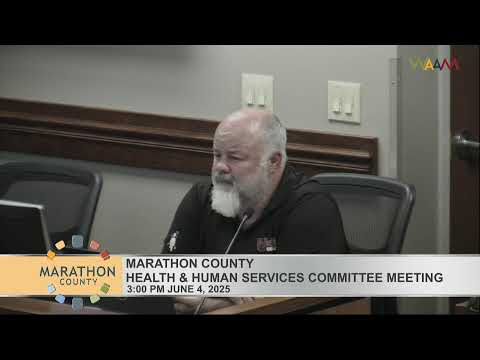
Marathon County Health and Human Services Committee members heard an overview from County Administrator Leonard on the Family Keys pilot, a two‑year program run in partnership with the Wisconsin Department of Health Services and implemented in Marathon, La Crosse and Wood counties to address housing instability as a way to reduce removal of children from their homes.
“this the idea was to have I apologize. My voice is failing me today, but, Krista Jensen from social services had intended on being able to attend to give you an overview of the outcomes to this point relative to the family keys program. So, again, just grounding everyone. This is a pilot program that Marathon County along with, La Crosse County and Wood County were selected by the Wisconsin Department of Health Services to participate in family keys across those 3 counties,” Administrator Leonard said during the committee meeting.
The packet materials cited by Leonard report that, since the program started, 21 families and 53 children have participated. Leonard described the pilot’s design as pairing individual families with landlords and conditioning housing supports on participants’ engagement with services intended to make housing sustainable, including setting aside funds so families can take over leases when the program ends.
“a key component of the program is really accountability, that it's not simply providing that stable housing, but it's providing the housing on the condition that families that are participating are doing things that will make their own housing sustainable long term,” Leonard said. He added that county staff have presented slides, outcome measures and video testimonials from participants and local partners.
Leonard said the pilot appears to be a substantially cheaper alternative to foster care placements and has demonstrated “a fair amount of success,” but he stressed the program is not a county‑mandated service and that sustaining it would require continued community partnerships and funding decisions during upcoming county budget deliberations. Krista Jensen of the Social Services Department, who put together the slides and videos, was not present and is expected to return for a future committee meeting to walk members through the materials in full.
The committee did not take action on the program at the meeting; Leonard said the item had not been agendized for action and that the summaries were intended to inform budget discussions later in the year.