Get Full Government Meeting Transcripts, Videos, & Alerts Forever!
Get email alerts on the Public Works Paving topic
No spam. Unsubscribe anytime.
Public Works proposes $100 million "Pave More Now" bond, $80 million in competitive grants and Blackstone-McKinley grade‑separation work
Summary
Public Works Director Scott Mosher presented an FY26 budget that leans heavily on grant-funded projects and a proposed $100 million pave‑now bond to address deteriorating pavement; the department highlighted the Blackstone‑McKinley railroad grade separation and other Measure C competitive awards.
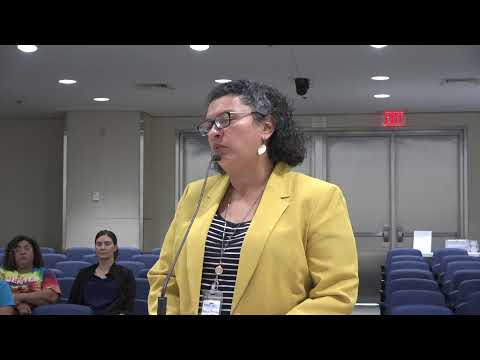
Public Works Director Scott Mosher told the council the department’s FY26 budget emphasizes both grant‑driven projects and a proposed one‑time, bond‑funded effort to tackle a large backlog of pavement deferred maintenance.
Mosher said the city now estimates roughly $1.2 billion in pavement deferred maintenance and about $300 million in curb, gutter and sidewalk backlog; cost escalations since earlier estimates have outpaced routine maintenance budgets. To address the gap, the mayor’s proposed budget includes a $100 million “Pave More Now” proposal to be financed by bonds. Mosher said that investment, combined with the department’s annual programs, is aimed at preventing costlier full reconstruction in the future.
Mosher highlighted major state and regional awards: the Blackstone‑McKinley railroad grade separation—an $80 million program in the presentation—Transit‑Oriented Development competitive grants and Measure C-funded corridor projects including Polk to Milburn widening and Cesar Chavez Boulevard improvements in Southwest Fresno. He said the department also expects Measure C competitive funds for multimodal and safety projects and listed TCC/Measure P and SB1 projects supporting slurry seal, pothole crews and a concrete‑repair “7‑week” program.
Council members asked about ride‑throughs for nighttime crews, the cost implications of expanding a paving season and the need to set aside money for structural garage repairs. Mosher said a year‑round paving crew would raise personnel costs and require equipment investment, citing the high cost and long lead times for modern paving machinery. Mosher said staff will provide memos quantifying year‑round crew costs and deferred maintenance liabilities and will return with a detailed list of the streets proposed for FY26 overlays.
Ending: Mosher framed FY26 as a year of heavy capital activity driven by state and regional grants plus a proposed bond to make a large one‑time dent in deferred pavement needs; council asked for pocket‑by‑pocket lists, contractor agreements and options for funding long‑term garage structural work.