Get Full Government Meeting Transcripts, Videos, & Alerts Forever!
Get email alerts on the Financial Empowerment topic
No spam. Unsubscribe anytime.
Financial Empowerment Center highlights debt reduction, asks council to continue $150,000 contribution
Summary
The Greater Jackson Financial Empowerment Center told Jackson City Council it returned measurable financial benefits for residents and the city and asked the council to continue the city’s $150,000 annual support as the budget is finalized.
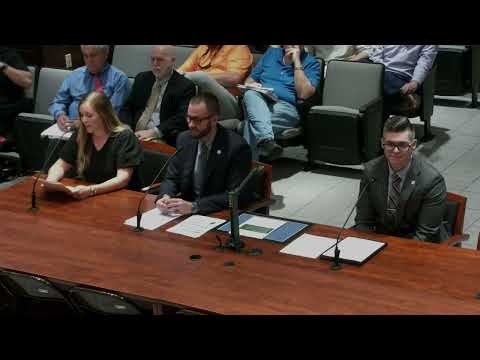
The Greater Jackson Financial Empowerment Center (FEC) told the Jackson City Council on the June agenda that its one-on-one counseling and partnering programs helped families reduce debt, increase savings and improve credit scores, and asked the council to continue the city’s $150,000 annual contribution.
The FEC director, Tyler Carr, said the program served roughly 140 clients in the past year and has helped more than 650 families since launch, collectively reducing nearly $640,000 in non‑mortgage debt and increasing savings by about $250,000. Carr described the center as ‘‘one of Jackson’s most strategic tools for long‑term stability and economic growth’’ and urged council members to champion and refer residents to the service.
Carr said Jackson’s pro‑rata portion of the program budget is $150,000 in fiscal year 2026 and that the FEC operates as a regional hub. He told the council that the total program budget is about $450,000, with other jurisdictions co‑funding satellite offices. He estimated a conservative economic return of $1.2 million to $1.4 million in local economic activity attributable to the city’s investment, citing debt reduction, increased savings and new home purchases by clients.
Haley Coble, director of the City of Jackson Recovery Court and Mental Health Court, described the FEC’s integration with recovery court participants. She said 16 participants in the last two years used FEC services to open bank accounts, pay down debt and improve credit; some bought vehicles and one client improved his credit score by more than 100 points. Coble said financial counseling was added as a core option in recovery court because participants repeatedly reported positive outcomes.
Council members asked for more geographic detail about who the FEC serves. Carr provided a district‑by‑district breakdown on request: District 1 — 29 families; District 2 — 40; District 3 — 14; District 4 — 35; District 5 — 35; District 6 — 29; District 7 — 3; District 8 — 10; District 9 — 13. He also said the program serves 10 families in the county outside the city.
Council discussion touched on outreach: one council member encouraged holding district town halls with FEC staff so residents unfamiliar with the service will learn about it. Carr and council members agreed to follow up; Carr offered to provide further county breakdowns and to work with council members on neighborhood outreach.
The presentation did not include a formal council vote on FEC funding during the presentation; council deliberations on the overall city budget occurred later in the meeting.
Why it matters: Council members are finalizing the city’s fiscal 2026 budget and will decide whether to maintain, increase or cut the FEC contribution. The FEC argued the $150,000 city investment is matched by other funders and produces debt reduction, savings and modest increases in property tax revenue when clients buy homes.
Looking ahead: FEC staff asked council members to ‘‘be champions’’ for the program by promoting it in their districts and pledged to return with additional outreach plans and county‑level breakouts if requested.