Get Full Government Meeting Transcripts, Videos, & Alerts Forever!
Get email alerts on the Historic Commemoration topic
No spam. Unsubscribe anytime.
Committee reports bill to name highway for Company K, Michigan’s Native American Civil War sharpshooters
Summary
The committee heard testimony supporting Senate Bill 41, which would name a highway in Leelanau County to honor Company K of the First Michigan Sharpshooters, a Civil War unit made up largely of Native American soldiers. The Grand Traverse Band of Ottawa and Chippewa Indians has offered funding for signage.
The House Transportation Infrastructure Committee on Tuesday voted to report Senate Bill 41 with recommendation after testimony about Company K, a Civil War unit the sponsor said was largely composed of Native American sharpshooters from northern Michigan.
Senator John Damoose (testifying in the House as sponsor) told the committee the bill recognizes the service of Company K of the First Michigan Sharpshooters by naming a highway in Leelanau County where many descendants live. "The hope is that as people drive by, they'll see the sign and take a moment and remember the sacrifices made for them by a group of people who too often do not receive the recognition they deserve in American histories," the senator said.
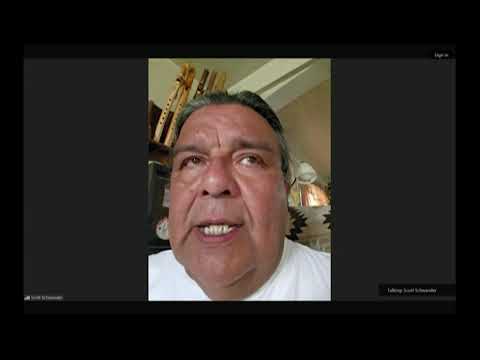
Scott Schwander, a member of the Grand Traverse Band of Ottawa and Chippewa Indians, testified in support. Schwander described historical enlistment circumstances, wartime service and postwar hardships for Company K members, including cases of battlefield injury and deaths in Confederate prison camps. He said tribal partners were prepared to pay for signage, and earlier in the hearing he confirmed the going rate for a highway dedication sign is about $4,000.
Vice Chair Herzberg moved to report the bill with recommendation; the clerk called the roll and recorded the measure as being reported with recommendation. Committee members praised the proposal and recognized the historical and cultural significance of the memorialization.
Ending: With the committee recommendation recorded, the bill will proceed through the legislative process toward further consideration by the House and, if passed, would require gubernatorial signature and MDOT sign placement procedures.