Get Full Government Meeting Transcripts, Videos, & Alerts Forever!
Get email alerts on the Student Civic Project Food Security topic
No spam. Unsubscribe anytime.
Middle‑school Action Civics project asks Salem High culinary program to prepare meals for unhoused residents
Summary
Saltonstall Middle School students presented an Action Civics project asking the district to pilot a CTE culinary program that would prepare ready‑made meals for Salem's unhoused population, and committee members and staff offered support and next steps.
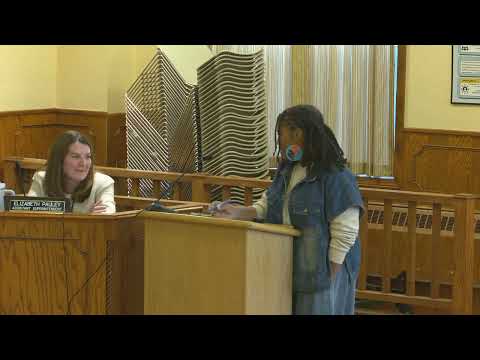
A group of Saltonstall Middle School students told the Salem School Committee on June 2 that they want Salem High School's culinary CTE program to prepare packaged, ready‑made meals for people experiencing homelessness in Salem.
"This is our Action Civics project," the student presenters said as they described months of research, interviews with local organizations and a plan to use an inspected, up‑to‑code school kitchen to make meals that are easier for people with dental or other health needs to eat.
Students said they reached out to Witch City Action and the Salem Pantry and met with representatives, including Skyler Clark of Witch City Action and Mike Lilly of the Salem Pantry, who advised that the unhoused population often needs ready‑to‑eat or cooked foods and that many community kitchens are not health‑inspected for mass meal production. The presenters argued that a partnership using the Salem High culinary kitchen — which is inspected and equipped for meal production — could allow students to earn community service hours while producing meals for distribution through existing organizations.
Committee members praised the students' research and urged them to continue working with district staff and city offices. Member Cruz called the project "one of the largest student advocacy based projects" she's seen in the chambers and asked for sources; the students said links to their sources were included in their presentation materials. Member Campbell called it "one of the more creative solutions or civic engagement projects" she'd seen and encouraged the students to pursue embedding it in high‑school curriculum. Member Cornell suggested the students engage with culinary teachers next year to align the project with the CTE curriculum.
Superintendent Dr. Zweig and Mayor Pangalo told the students the city and district have staff whose work aligns with food security and housing stability and that they would help connect the students to those offices. Dr. Zweig also noted that LifeBridge runs a kitchen and other city staff could assist with distribution logistics.
Students asked the committee to: (1) allow culinary CTE students to use the Salem High kitchen to prepare premade meals; (2) set aside some culinary‑program time and budget for the effort; (3) partner with organizations such as Witch City Action and the Salem Pantry for food and distribution; and (4) provide community service hours to participating students. Committee members did not take a formal vote on the proposal but encouraged the students to continue the work with district staff and community partners.
The presentation included local data points the students cited, including a Salem Police figure for 2023 and statewide trends cited from 02/2024 reporting; students noted cuts to food‑bank funding at the regional level and framed the proposal as a way to leverage CTE instruction for community impact. Committee members asked staff to continue discussions about feasibility, scheduling and food‑safety requirements so the plan could be vetted by culinary instructors and health inspectors.