Get Full Government Meeting Transcripts, Videos, & Alerts Forever!
Get email alerts on the Environment Plastic Bag Fee topic
No spam. Unsubscribe anytime.
Richmond council approves 5¢ disposable plastic bag fee effective Jan. 1, 2026
Summary
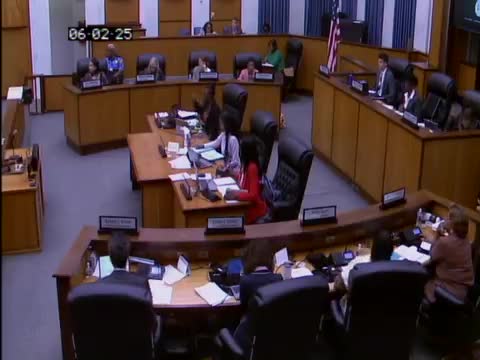
The Richmond City Council on Monday adopted an ordinance establishing a 5¢ fee on single‑use checkout plastic bags distributed by grocery stores, drugstores and convenience stores in the city, with an effective date of Jan. 1, 2026.
The Richmond City Council on Monday adopted an ordinance establishing a 5¢ fee on single-use checkout plastic bags distributed by grocery stores, drugstores and convenience stores in the city, with an effective date of Jan. 1, 2026.
City Director of the Office of Sustainability Laura Thomas told the council the fee would send 4¢ per bag to the city and 1¢ per bag to the retailer and that the city anticipates about $400,000 in year‑one revenue and roughly $100,000–$150,000 in subsequent years as bag usage declines.
Supporters said the fee is intended to reduce litter and stormwater impacts and to fund environmental cleanups and reusable bag distribution to SNAP and WIC participants. Steve Marzoff, chair of Richmond’s Clean City Commission, told the council the commission fully supports the ordinance. Ashley Coles, a Clean City Commission member, also spoke in favor during a virtual public comment.
Why it matters: Council members repeatedly tied the proposal to infrastructure and public cleanliness concerns. Thomas said state law limits how municipalities may use revenue from such fees; under those restrictions the city’s share is restricted to litter and waste reduction programs, environmental cleanup, education designed to reduce pollution and the direct distribution of reusable bags to SNAP and WIC recipients.
Council debate focused on equity and implementation. Councilwoman Trammell and others said the fee could be regressive for seniors and other residents on fixed incomes; Trammell urged the administration to ensure seniors would not face new costs. Thomas said the administration plans outreach and education, that retailers may either pass the fee to customers or absorb it, and that the Office of Sustainability intends to provide reusable bags — with procurement and distribution funded in part by the fee revenue for SNAP/WIC recipients and by the office’s operating funds for other vulnerable groups.
The ordinance specifies exemptions written into state law, including: thicker reusable plastic bags (4 mil or greater), bags used solely to contain ice, meat, fish, poultry, produce or other perishable items, bags used for dry cleaning or prescription drugs, and multi‑pack bags intended for garbage, pet waste or leaf removal. Thomas said prepackaged food and thicker store bags are exempt.
The measure drew mixed comments from the public and council. Councilmember Lynch said she had come around to supporting the fee after seeing litter and river pollution firsthand; Councilman Gipson and Councilman Brecken also voiced support. Councilmember Robertson asked for and received a commitment from the administration to provide a detailed outreach calendar and a list of businesses that would be subject to the fee. Councilmember Trammell said she could not support the ordinance without stronger assurances the city would shield seniors and other vulnerable residents from new charges.
Vote: The ordinance passed. Recorded votes in the transcript included:Mr. Breton — Aye; Ms. Gibson — Yes; Ms. Robertson — No; Ms. Lynch — Aye; Ms. Trammell — No; Ms. Abubaker — Aye; Vice President Jordan — Aye; President Newbill — Aye. (One member’s individual vote is not clearly recorded in the transcript excerpt.)
What’s next: The fee will take effect Jan. 1, 2026, allowing roughly six months for outreach to retailers and residents. The administration said it will return with an outreach and education calendar and a more detailed list of affected businesses and distribution plans for reusable bags.
Ending note: The council’s discussion emphasized both environmental goals and concerns about burdens on low‑income and senior residents; several members requested follow‑up reporting on distribution plans and how revenue will be spent under the state’s restrictions.