Get Full Government Meeting Transcripts, Videos, & Alerts Forever!
Get email alerts on the Mental Health Service Disruption topic
No spam. Unsubscribe anytime.
Dozens of Bert Nash employees, clients left reeling after abrupt layoffs; residents urge county oversight
Summary
Dozens of current and former employees of Bert Nash Community Mental Health Center told Douglas County commissioners that abrupt layoffs and alleged mismanagement have disrupted client care, put vulnerable people at risk and raised calls for oversight and careful consideration before any public funding decisions.
At the May 28, 2025 meeting of the Board of Douglas County Commissioners, more than a dozen current and former employees of Bert Nash Community Mental Health Center and allied community members delivered testimony urging county oversight after the center announced a round of abrupt layoffs and declared an economic exigency.
Speakers described sudden terminations that left direct-service staff unable to provide final sessions or transition plans for clients, and they said the cuts have immediate effects on children and other high‑risk patients. “We estimate that at least 488 clients were directly affected by these layoffs,” said Mikaela Reid, a case manager. “Providers were unable to speak with their clients, some of them children, and explain what was happening.”
Public comment at a Douglas County Commission meeting is an early public airing of concerns that many people said go beyond human resources decisions to questions of financial management and service continuity. The testimonies included allegations that leadership had adopted expensive technology and other initiatives without sufficient transparency and that layoffs were executed without the 30‑day notices or severance some employees expected.
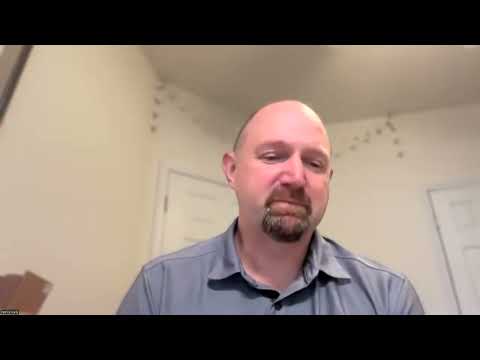
Multiple speakers who identified themselves as current or former Bert Nash staff described efforts to raise concerns internally about finances and operations before the layoffs. “Under the leadership of Patrick Smith and his team, the center has made a number of worrying financial and ethical decisions that have contributed to the state we find the agency in today,” said Mike Harold, who identified himself as a supportive housing case manager at Bert Nash and spoke on behalf of Community Mental Health Workers United.
Former and current employees recounted a pattern of sudden dismissals and administrative choices they said harmed client care: personnel being “walked out” before their final day, billing or electronic health record problems, and a failed roll‑out of an artificial‑intelligence program named Ilios. Several speakers said director‑level staff were not among those laid off while many frontline providers were. “None of the 21 directors were laid off, while many of their salaries are four times more than most providers,” Mikaela Reid told commissioners.
Some speakers also described the personal impact of the layoffs, including the sudden loss of health insurance coverage and the resulting cancellation of scheduled medical care. “The sudden loss of health insurance has forced me to cancel a scheduled surgery,” said Darcea Collins, who said she served as the sole child and family services nurse at the center before being laid off.
Union representatives for Bert Nash employees, including Peyton Smith of IBEW Local 304, asked the county to review any budget relief carefully and to consider the broader community impact of the center’s financial problems. “We respectfully ask the council to consider the current challenges facing Bert Nash, not only in terms of its impact on our members, but also on the broader Douglas County community,” Peyton Smith said.
Speakers described funding complexities that affect community mental health providers, including heavy reliance on Medicaid reimbursement, mixed grant streams such as American Rescue Plan funds, and how reimbursement models like the CCBHC (Certified Community Behavioral Health Clinic) approach already adopted by the center affect budgets. “The CCBHC model … reimburses on the basis of a ratio between Medicaid clients and non‑Medicaid clients,” Howard Callahan said, urging careful attention to how funding streams and program models interact.
Commissioners listened to public testimony and asked staff procedural questions during and after the public comment period. The commission did not vote on any direct action related to Bert Nash at the meeting; public comment closed before the commission proceeded to other agenda items. Commissioners reiterated that written comments could be submitted to the county and that staff and commissioners would consider the testimony when evaluating any future county role or requests related to the center.
Community members who testified urged the county to require transparency, accountability and protections if the county considered using public funds to support the center. Several speakers called for external oversight and careful conditions on any funding, while others urged investment in services for children and other high‑need groups.
The comments at the meeting reflect ongoing local concern about how to preserve access to community mental health services while ensuring responsible stewardship of public and private funds. The county did not take formal action on the concerns raised at the May 28 meeting; commissioners suggested staff follow up and said they welcomed additional information from community members and staff.