Get Full Government Meeting Transcripts, Videos, & Alerts Forever!
Get email alerts on the Housing And Development topic
No spam. Unsubscribe anytime.
Assembly votes to extend 2019 tenant security-deposit protections to rent-stabilized units in New York City
Summary
The Assembly approved a bill applying security-deposit rules from the 2019 Housing Stability and Tenant Protection Act to rent-stabilized housing in New York City, including limits on deposits and potential punitive damages for willful violations.
The Assembly passed legislation that applies certain security-deposit protections, originally enacted for market-rate tenants in the Housing Stability and Tenant Protection Act of 2019 (HSTPA), to rent-stabilized tenants in New York City.
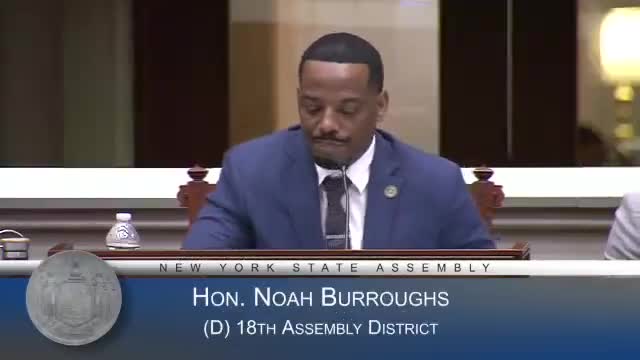
Sponsor explanation on the floor said the measure would limit security deposits to no more than one month’s rent, require itemized statements for any deductions, and create procedures for inspections and written condition agreements on move-in/move-out in limited circumstances. The bill extends those protections to a group of tenants that sponsors characterized as already legally protected in other ways, and to which the HSTPA protections would not previously have applied.
During floor questioning lawmakers noted the law provides for punitive damages for willful violations (up to twice the amount of deposit withheld). The sponsor pointed to line references in the bill where willful-violation remedies are set out and stressed that the penalty applies to knowing/willful conduct, not inadvertent errors. Opponents said the bill was an expansion of 2019 provisions and raised concerns about burdens on landlords; proponents said the protections were reasonable and mirrored protections already in place for over a million market-rate tenants.
The Assembly recorded the vote (Ayes 93; Noes 51) and passed the measure. Sponsors said it would apply only to rent-stabilized housing in New York City and that the bill’s effective date is the 30th day following enactment. Debate included questions about inspections, itemization of deductions, and the reach of punitive damages; sponsors said the punitive-damages provision applies to willful violations and pointed to the bill text for specifics.