Get Full Government Meeting Transcripts, Videos, & Alerts Forever!
Get email alerts on the Infrastructure Funding topic
No spam. Unsubscribe anytime.
Staff warns a sewer moratorium could cut millions from development funds; board urged to plan funding scenarios
Summary
City staff told the Board that a full sewer-development moratorium could stop the collection of about $8 million in development-fee revenue and remove roughly $2.5 million in annual permit-related receipts in a worst-case scenario.
City staff briefed the Board on the fiscal implications of any moratorium on development and sewer connections, saying a formal moratorium could materially reduce revenues the city currently receives from development-related fees.
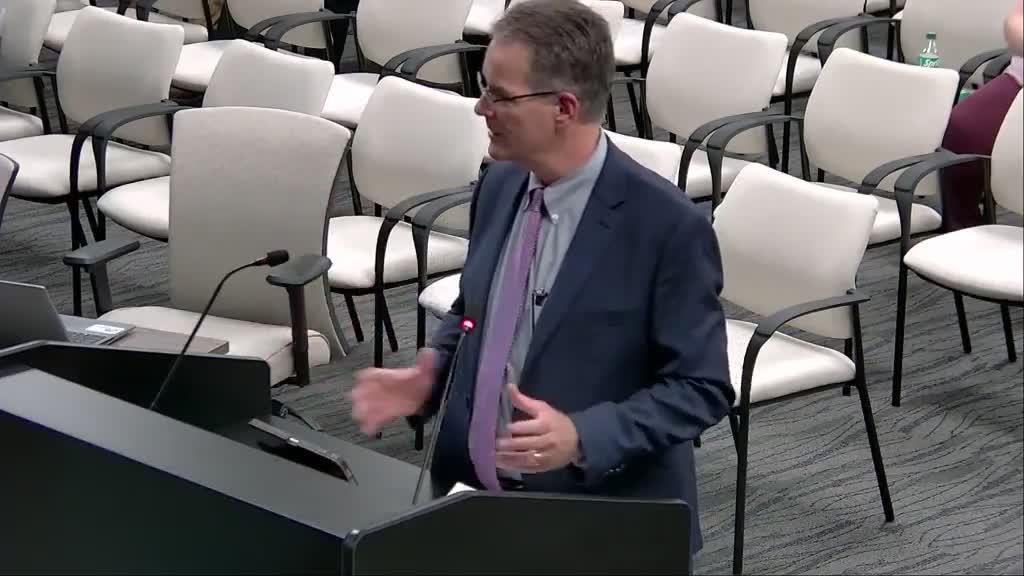
Assistant City Administrator Dan Allen and city staff described four funds and fee sources tied to development: (1) adequate facilities taxes, (2) roadway impact fees, (3) water development fees and (4) sewer development fees. Allen said Spring Hill operates under a local private act that allows the city to collect these fees and that the fees are restricted for specific capital uses.
Staff presented a worst-case illustration in which a total halt to development activity would stop collection of these development fees and related building-permit revenue. In that hypothetical scenario staff said the four development funds together could represent a little over $8 million in revenue that would not be collected if new development and connections ceased; separately, permit-related revenue in Development Services could amount to roughly $2.5 million annually and would stop while a moratorium remained in effect.
Staff and city attorney counsel emphasized the city had already been operating in a limited or “soft” moratorium in practice — staff had limited annexations and up-zonings where appropriate — and that any formal moratorium should be carefully staged and legally reviewed. City staff said some development fees must be spent within statutory or ordinance timelines and that the timing and scope of a moratorium could create cash-flow or eligibility concerns for projects tied to those restricted funds.
Why it matters: Development-fee funds are used for roads, water and sewer capacity and other capital projects. If the city stops collecting those fees, planned capital spending tied to current revenue assumptions could be delayed or require alternative funding. Staff urged that the board include moratorium scenarios in capital planning so the city does not overcommit to projects that rely on future development fees.
Board discussion and guidance: Staff recommended the board ask for funding analyses that show scenarios with a moratorium and without one, and prioritize capital projects based on those scenarios. Several aldermen said they favored a staged approach that allowed staff and developers time to work through obligations while reducing the risk of a sudden revenue shortfall.
Next steps: Staff will prepare scenario analyses and funding plans as the board continues CIP and budget discussions; staff stressed the need for stakeholder outreach and legal review before adopting any formal moratorium.