Get Full Government Meeting Transcripts, Videos, & Alerts Forever!
Get email alerts on the Education Assessment And Coaching topic
No spam. Unsubscribe anytime.
Minooka 201 instructional coaches cite broader staff reach as district digs into MAP, phonics and SEL data
Summary
Instructional coaches told the Minooka CCSD 201 board they reached 84% of staff this year through coaching cycles, learning walks and PD; district leaders presented spring MAP, phonics screener and DESSA results showing gains in phonics and mixed results on cohort growth, prompting targeted next steps.
Instructional coaches and district academic leaders told the Minooka Community Consolidated School District 201 Board of Education that coaching work broadened teacher participation this year even as the district drills into state and national assessment data to identify targeted interventions.
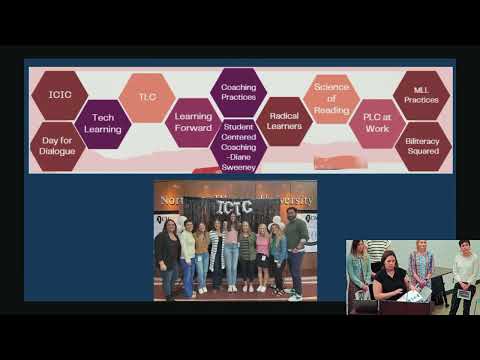
The coaches reported 84% staff participation in professional learning and coaching cycles for the 2024–25 school year, a rise from roughly 70% in previous years. Ashley Webb, an instructional coach at Jones Elementary, said, “we have worked really hard this year to try and implement some new things to get some more staff participation,” citing expanded coaching staff, learning walks and year‑long book studies as drivers of the increase.
Board members heard the coaches outline the district’s methods and evidence. The coaches described a mix of individual coaching cycles (teacher‑identified or collaboratively selected goals), book studies (42% staff participation in the year‑long study), quarterly “Fab Fun” strategy kits used by teachers, learning walks and presentations at state conferences. The coaches said those activities support District 201’s strategic goals of improving student growth, building safe and engaging learning environments and strengthening the working environment for staff.
Chief Academic Officer Adrienne McCarroll and coaches presented spring assessment results alongside the instructional work. Key data points shared with the board included: math and reading scores that are generally above the 50th national percentile in recent years for some cohorts, persistent but narrowing third‑grade dips, and areas of concern in some cohort transitions (notably fifth and eighth grades). McCarroll said that, on fall‑to‑spring measures, most grade levels met or exceeded projected growth, but on year‑to‑year (spring‑to‑spring) cohort growth some grades did not grow as much as MAP projections indicated. She singled out fact fluency and word‑problem work in math and continued attention to reading instruction as priorities.
On early‑literacy measures the district reported strong gains on the Core Phonics Survey for K–4 students. McCarroll told the board that phonics results climbed substantially across grade bands, with large gains in early grades and continued progress toward fourth grade, where the district reported about 85% proficiency on the screener for the grade at the time of presentation.
Social‑emotional learning (SEL) screening results using the Devereux Student Strengths Assessment (DESSA) showed most students in the typical range. District staff reported roughly 10% of students were flagged for additional SEL screening and supports (approximately 400 students districtwide), with self‑management and self‑awareness among the more commonly noted areas for targeted work.
Board members asked how the district is aligning MAP data to state assessments and how parents will receive clear, actionable explanations of what the test scores mean. McCarroll and Superintendent Kinder said the state is revising performance levels and that the district will both analyze MAP cohorts internally and work to translate results into parent‑facing reporting. McCarroll noted NWEA (MAP) will release updated norms this summer and that the state will redefine performance categories for the Illinois assessments later in the summer, which the district will use when finalizing parent communications.
Next steps outlined to the board include: tying the district strategic plan to a Minooka 201 Literacy Plan; more explicit, targeted phonics instruction K–4; continued professional development on curriculum and data use; updated MTSS procedures to link academic, SEL, attendance and behavioral data; and grade‑level SEL teams to refine Tier‑1 SEL instruction and interventions.
District leaders said administrators and building leadership teams will begin weeklong data meetings to drill into cohort and subgroup performance and translate findings into curriculum and scheduling adjustments for the coming year. The board was told the district will continue to use MAP and local assessments as pieces of a broader evidence base rather than as single summative measures.
The presentation ended with board praise for coaches’ outreach and calls to improve communication to families about what the district’s scores mean for individual students and for readiness at high school entry.