Get Full Government Meeting Transcripts, Videos, & Alerts Forever!
Get email alerts on the Tourism Economic Impact topic
No spam. Unsubscribe anytime.
Overland Park tourism nears $1 billion in 2024 as hotel occupancy, overnight stays rise
Summary
City tourism staff reported a 2024 direct visitor spend of about $964 million, 5.1 million visitors and stronger hotel performance in spring 2025. Staff credits marketing campaigns and event‑driven visitation for gains that boosted lodging occupancy and local tax revenue.
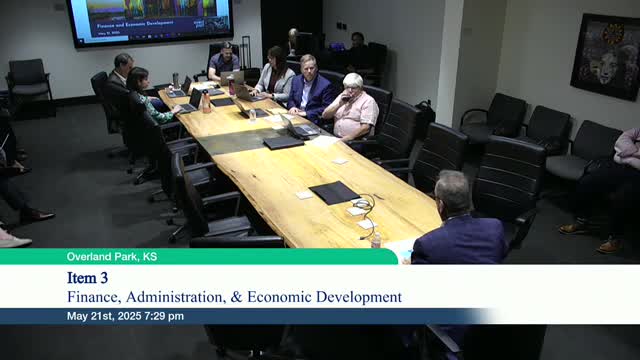
Visit Overland Park and city staff told the committee May 20 that the local visitor economy produced roughly $964 million in direct spending in 2024, up about $112 million from a 2022 study, driven by stronger hotel occupancy, higher average daily rates and growth in overnight visits.
Presenter Warren (last name not given) said 2024 visitation estimates show about 5.1 million visitors to Overland Park, including about 2.45 million overnight visitors, and that lodging performance has climbed past pre‑pandemic levels. The city recorded an overall occupancy rate of about 66.3% for the market in 2024; early May 2025 saw a week with roughly 79% occupancy and an average daily rate around $134.
Warren highlighted marketing work that used credit‑card spend attribution through a vendor (Epsilon) to track campaign results: the city spent roughly $570,000 on the campaign and attributed $35 million in card‑verified economic impact to Overland Park, plus another $7 million in nearby Leawood. He said the methodology likely undercounts final impact because cardholder spend can involve multiple people.
The tourism analysis shows visitor spending supports local sales and lodging taxes: city staff reported about $103 million in state and local tax revenue tied to visitor spending (an increase from 2022) and said 36% of restaurant spending in Overland Park came from visitors. Staffing in the hospitality sector has recovered to pre‑pandemic levels, the presentation said.
A formal economic impact study authored by Tourism Economics / Oxford Economics was scheduled for release the morning after the committee meeting; staff said the firm estimates a 2024 direct visitor spend for Overland Park of approximately $964 million and that indirect/induced effects push the total wider economic impact higher.
Committee members asked about off‑season visitation and strategies to boost January–March performance; staff highlighted event‑driven marketing (sports, concerts) and longer‑term strategies such as medical tourism and continued targeted digital advertising across identified ZIP codes. Staff said the market is 1–2 driving‑tank regional and that attracting overnight visitors yields higher per‑visitor spend and more stable lodging revenue.
The committee thanked staff and noted the tourism report will be published in a press release and social posts the following day.