Get Full Government Meeting Transcripts, Videos, & Alerts Forever!
Get email alerts on the Taxi Industry Upfront Fares topic
No spam. Unsubscribe anytime.
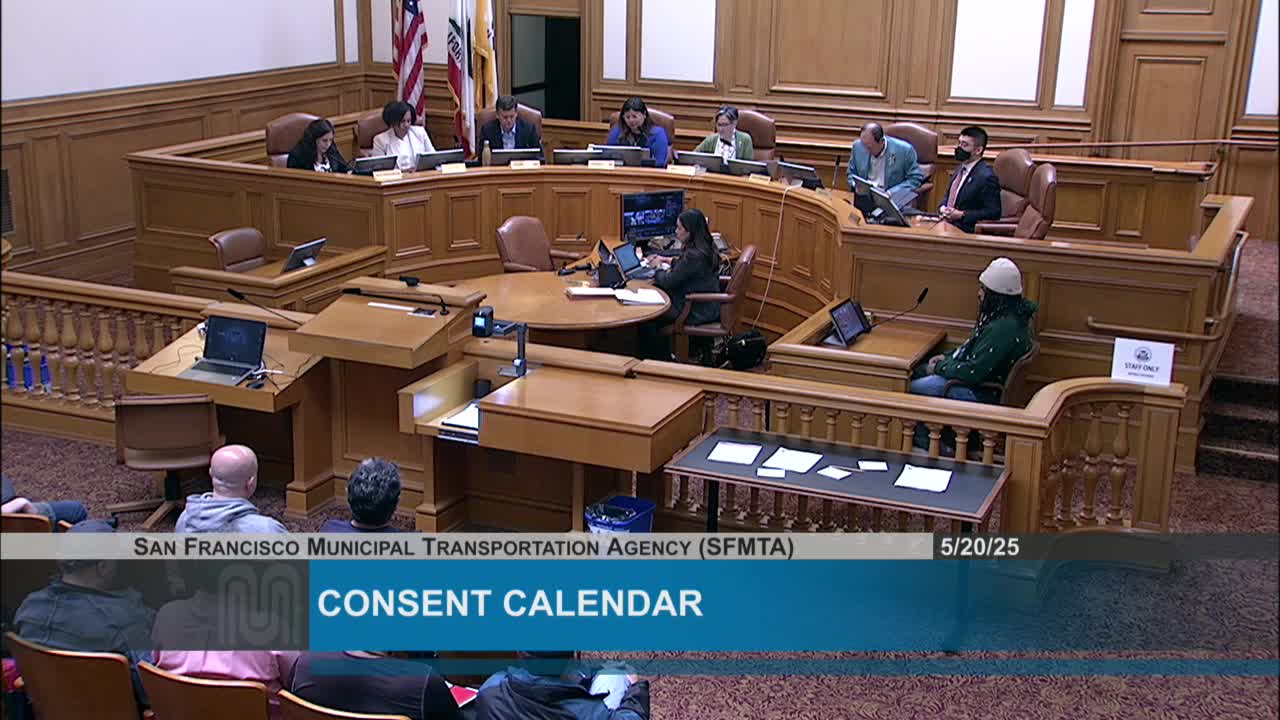
SFMTA board makes taxi upfront‑fare pilot permanent amid driver support and union concerns
Summary
The SFMTA board voted unanimously to make the taxi upfront‑fare pilot a permanent program and kept a 10% requirement that taxi e‑hail fares be within 10% of the taximeter rate; supporters said the program boosted driver revenue and medallion stability while unions urged continued monitoring and improved reporting.
The San Francisco Municipal Transportation Agency Board on Tuesday voted to make permanent a pilot that lets taxi riders see and pay a fare in advance through taxi e‑hail apps and, separately, allows rides requested in third‑party apps to be transferred to taxis.
Maddie Ruvolo, principal access and mobility planner, told the board the pilot began in late 2022 and the agency tracked trip volumes, driver earnings and geographic distribution. ‘‘Pilot drivers who provide both types of pilot trips earn about 25% more in average quarterly fare revenue than drivers who do not participate,’’ she said, referencing the agency analysis. Staff recommended keeping the requirement that taxi app upfront fares be within 10% of the estimated taximeter amount; the board accepted that recommendation.
The decision followed more than an hour of public comment from taxi drivers, medallion owners and industry representatives. Drivers and fleets told the board the program increased trip opportunities, helped medallion purchasers avoid foreclosures, and brought new drivers into the industry. Flywheel chairman Hansu Kim told the board the program had directed ‘‘more than $10 million in fares to taxis’’ through third‑party referrals and said other cities are now copying the model.
The Taxi Workers Alliance and other speakers asked for continued monitoring and expressed concern about data gaps and the effect of transfers from third‑party apps on paratransit taxi service. Staff said they had not found degradation of paratransit service in available data and promised continued quarterly reporting and program rules that preserve paratransit obligations.
The board’s roll call was unanimous in favor. The agency said the program will continue under the name ‘‘Taxi Upfront Fare Program’’ and that program rules will remain in place to permit adjustments if future data show unintended service impacts.
Ending: Staff will continue quarterly public reporting on trip volumes, driver revenue and paratransit impacts and will keep the 10% taximeter variance standard for taxi e‑hail fares.